On The Insider: Britney's Bikini-Clad Top 10

Search:
Go!


Alpha Blog: CNET's gadget & tech news and opinions blogged by our editors
October 18, 2006, 11:29 AM PDT
More motivation to let a robot vacuum
Posted by: Elsa Wenzel

To go on a proper energy diet, first you'd have to measure the power consumed around the house, outlet by outlet. Just like counting calories, that would take all the fun out of gobbling up electricity. But if you're really geeked about saving money and greening your home, then you might follow the lead of one Silicon Valley engineer who crusaded around his apartment with the Kill-a-Watt energy meter, measuring the appetite of nearly every appliance.

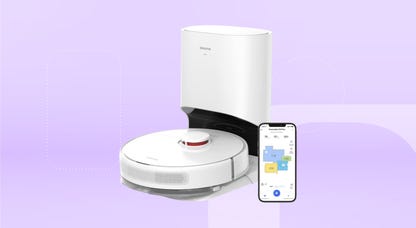
Eric Boyd calculated that over a year, his refrigerator, desktop PC, and iMac used the most electricity. He estimated that his stove, oven, and air conditioner demanded a bit less energy than the computers. (Government figures, on the other hand, list heating and cooling as the biggest energy gobbler.) The toaster, microwave, washer, and dryer were hungrier for watts than anything else in Boyd's home, but their infrequent use led to low operating costs overall. Lighting didn't cost much because he already used compact fluorescent bulbs instead of ravenous incandescents. And in case you needed more motivation not to clean the floor yourself, his Roomba ate up a piddling 43 cents of his annual electrical bill.

Unfortunately, Boyd concluded that he'd barely notice a dent in his utilities bills if he conscientiously unplugged every gadget from the wall when not in use. But various studies show that standby power drained by those dormant appliances might quietly eat up as much as one-tenth of your energy expenses.

Permalink | 5 comments

August 25, 2006, 10:27 AM PDT
Dell gets green points, but Lenovo gets trashed
Posted by: Elsa Wenzel

Dell, Nokia, and HP win top marks today in Greenpeace's ranking of how tech companies manage toxic chemicals and old equipment. The environmental group's Guide to Greener Electronics ranked Lenovo at the bottom of the heap--not far beneath Apple, despite its recently expanded recycling program. Get more dirt by reading Greenpeace's scorecard here.

Dell and HP are also among the few vendors whose products made it to the EPEAT list of eco-friendly computers. Both companies offer good e-waste recycling programs; Dell will even pick up your old goods of any brand for free. Last month, Europe's ROHS rules started forcing global manufacturers to reduce the use of toxic metals and flame retardants in all sorts of gadgets. And in California, your cell phone company now has to take back your unwanted handsets.

Each month, the world's consumers dump millions of tons of poisonous, high-tech trash. At the same time, companies touting cleaner, greener tech are now getting newfound attention and big money; read ongoing coverage here.

Permalink | 2 comments

July 24, 2006, 12:03 AM PDT
Green computers: a convenient truth?
Posted by: Elsa Wenzel

If greener cars rev your engine, you'll probably pick a computer that minimizes its ecological impact and your energy bills, if you can find one. Today, for the first time, you can look up laptops, desktops, and monitors that meet the definition of green agreed upon by electronics makers, environmental groups, and the government. Check out the new EPEAT database at epeat.net.

The Electronic Product Environmental Assessment Tool is a voluntary badge, similar to Energy Star, but it rates more than energy efficiency. EPEAT products earn a Gold, Silver, or Bronze label according to how well they satisfy strict standards of energy usage as well as design, recyclability, durability, materials, and packaging. Corporate policies are also taken into consideration.

You can search on the site by brand or for qualities such as CRT or flat-panel monitors between 15 and 30 inches in size. I couldn't find a single product that rated Gold, while 54 shone Silver, and 7 were Bronze. Read the ratings details for a menu of cutting-edge design techniques, such as modular components, reduced mercury, and cases made of postconsumer recycled plastic.

HP, Dell, and CTL Corporation are early EPEAT adopters (HP and Dell also offer good curbside tech recycling pickup). Other big brands are absent from the database, but the initial list of 61 items is sure to expand, especially as demand grows among makers of green homes as well as within the government. The Department of Homeland Security, NASA, and Massachusetts State will require equipping their offices with EPEAT-labeled products. The EPA funded EPEAT, expecting it to save enough energy to power 6 million homes and save 13 million pounds of hazardous waste by 2011.

Permalink | Post a comment

June 28, 2006, 11:22 AM PDT
Dell offers no-strings recycling
Posted by: Elsa Wenzel

If you've got old Dell equipment to get rid of, you can now kick it to your curb and ask Dell to pick it up for free. This time, you won't have to buy something new from Dell for the privilege. We're fans of a similar brand-blind pick-up program offered by HP, but that one requires a fee. We're glad to see Dell, Apple, and other vendors offer easier and greener ways for us to dispose of old tech.

Permalink | Post a comment

April 25, 2006, 11:28 AM PDT
Powerful PCs to eat less energy
Posted by: Elsa Wenzel

If you're in the market for a new computer, you probably wouldn't mind if it used half as much energy as the old one, making your electric bill less dreadful. Finding a PC that's not so power hungry will get easier late next year, when the Energy Star program updates its specs and demands that desktops brandishing its blue-and-white logo be 80 percent energy efficient. You can already find computers, servers, and power supplies that fit those "80 Plus" standards here.

That's an improvement over desktops that run hot enough to double as footwarmers, though maybe these are just baby steps. Might your new computer, circa 2016, run on solar power? Check out this Worldchanging story predicting that "as Moore's Law marches on and computers commoditize, consumers will become pickier about being green. (This means you!)"

Permalink | Post a comment

April 21, 2006, 5:21 PM PDT
E-waste and Earth Day
Posted by: Elsa Wenzel

As I mentioned earlier this week, green geeks are hacking all sorts of tech tools for the greater good. Armed with old gear this Earth Day weekend? Here's a neat Yahoo Maps mashup to direct you to electronics recycling centers. Which of the centers in your region is best?

The lack of national e-waste laws makes it hard to tell who's doing what in the world of tech recycling. For example, you can check the Basel Action Network list for companies that have signed an international pledge not to export potentially poisonous scrap to developing nations. Still, just because a company has not signed the pledge doesn't necessarily mean that it's behaving badly. For example, although I noted yesterday that ReCellular's name is missing from the BAN pledge, the company pointed out that it does not send any scrap to poor nations. Instead, some of the 4.5 million mobile handsets ReCellular handles annually may go abroad for reuse, not end-of-life dismantling, says VP Mike Newman. BAN decided last year that its pledge would no longer allow shipping products to poorer countries for reuse.

Permalink | 3 comments

April 20, 2006, 5:30 PM PDT
Cell phone recycling services don't make the grade
Posted by: Elsa Wenzel

We toss tens of millions of mobile phones each year, yet only 2 percent of those ever get recycled, says the nonprofit Earthworks. The group just released a report card (PDF) that gives the thumbs-down to major carriers' lazy telephone-takeback programs. Verizon gets the best grade--a dismal C minus, and Cingular trails with a D. Sprint and T-Mobile fail altogether. And while we originally recommended ReCellular, that service has not yet pledged that its goods won't be dumped overseas. The good news? You can find this list of electronics recycling services that vow not to export toxic electronics waste and more options in our "Trash your old tech" story.

Permalink | Post a comment

April 19, 2006, 9:44 AM PDT
Nerds for nature
Posted by: Elsa Wenzel

In the spirit of Earth Day this Saturday, we've assembled a CNET guide to greener tech. Here, you'll see how eco-minded folks are using all sorts of everyday tech tools to address environmental woes--whether with energy- and money-saving hardware, solar-powered cell phone chargers, hybrid cars, or software.

"The soul selects her own society," wrote one nature-loving poet. And Web 2.0 tools make it a snap to put like-minded souls together. Green geeks, for instance, have mashed up Google Maps to chart ecological disasters and pollution, even to help you find discarded treasures on New York streets. Other tech-savvy observers of Earth Day are building Web-based micro start-ups that allow people to pay for their pollution or to help far-flung microentrepreneurs.

And just as editor Rafe Needleman describes social bookmarking tools, such as Digg, that help news junkies to vote on and find stories that appeal to them, the popular green blog Treehugger now adds its own social bookmarking service to the crowded field. Its Hugg allows you to locate and rate stories on all things green, even gadgets. You can also browse the green blogosphere via Squidoo's specialized directory and Rollyo's custom search. Catch up on cutting-edge green tech news at News.com.

Permalink | 1 comment

April 17, 2006, 2:38 PM PDT
Inside the jaws that eat your e-waste
Posted by: Elsa Wenzel

Last week I witnessed what happens to old PCs when they die--and get properly recycled. At a tour of HP's recycling center outside of Sacramento, California, computers, printers, monitors, and more get crunched into confetti that can be sorted and used to make other products.

The 200,000-square-foot factory is silent when the shredders aren't shrieking. Skylights beam down on orderly rows of cardboard boxes holding all manner of office electronics, which local workers pull apart and sort by hand: cords, CRTs with copper strips, circuit boards, aluminum, and the like. Some stuff, such as photocopiers, enters the shredding machines intact.

Each of the three shredders looks larger than my house. Once the engines begin to chomp and churn at deafening levels, conveyer belts lap up the old parts, then whisk them into the clutches of brick-size metal teeth. Next, four-inch strips get ground into cornflake-size chunks that are separated through a series of magnets and filters, then spat out separately. Start to finish, a PC spends between three days to three weeks here before it's completely taken apart.

I spotted no fine dust on surfaces and breathed easily, maybe because the plant changes its air filters a dozen times an hour, sending the metallic powder lining the filters to a refinery. Wooden shipping pallets that bring in new goods also get reused.

The facility is expensive to operate, in part due to the need to protect workers from sharp parts and toxicants during their eight-hour shifts. Yet HP managers say that keeping the pair of "e-cycling" plants in the United States is more efficient than sending waste abroad for disassembly where labor costs are lower and protections more lenient (the same can't be said of the final fate of products made and sold in developing countries). The company's recycling efforts apparently break even.

Questions about how to get rid of obsolete products are the company's most common customer service call. Consumers are often suspicious of recycling programs, given the piecemeal municipal efforts for household glass and paper, as well as dozens of conflicting state rules and the lack of national rules for e-waste disposal. And makers of electronics can't get enough recycled plastic to use in their new products. Because proper disposal of electronics is still the exception rather than the rule, most of the otherwise reclaimable parts lay wasted in landfills.

Disposing of old gizmos should be so simple that it motivates you to move junk out of the closet. HP's take-back program asks you for up to $34 to pick up a box of digital duds from your doorstep. Unfortunately, even with a $5 coupon toward a new purchase, HP's fee might discourage people who don't find the doorstep pickup enough of a draw. Find other options in our "Trash your old tech" feature and be sure to delete your data before you donate.

Permalink | 3 comments

April 12, 2006, 12:53 PM PDT
Tech recycling to avoid
Posted by: Elsa Wenzel

What happens to your computer when it dies? Toss it in a trash bin, and a local landfill will probably absorb it into the earth, along with lead, mercury, and toxic flame retardants.

Send that old desktop to an electronics recycler instead, and at least you know the good parts are picked clean and reused, while poisonous components are safely put to rest. Right? Not quite.

Most electronics recycling programs ship old machines overseas, often to southern China and western Africa. That already wastes energy, but what happens next is worse, as writers at Knight Ridder and Salon explained this week. The scenes described make me think of the bleak Mad Max movies, only with more trash strewn around. People scavenge PCs, monitors, and all sorts of electronics for gold, silver, and copper, but they also come into contact with toxic metals. They'll burn equipment cases to identify the type of plastic by scent, inhaling phosphor dust and who knows what else in the process. This might earn an adult or a child $2 per computer. An international treaty bans developed countries from exporting toxic products, but the United States hasn't signed on.

With a few mouse clicks, however, you'll find plenty of ways to dispose of digital detritus without harming the planet or people. Vendor take-back programs, which cost you a small fee, are usually a safe bet. We'll bring you more details leading up to Earth Day next week. For now, here are a few places to start:

  • Computer TakeBack Campaign
  • TechSoup's tips on donating recycling hardware
  • Silicon Valley Toxics Coalition 2005 Report Card: How does your computer maker rate?
  • CNET Trade-in Center

    Permalink | 8 comments

  • Previous | 1-10 | 11-12 | Next


    Popular on CBS sites: Fantasy Football | Miley Cyrus | MLB | Wii | GPS | Recipes | Mock Draft


    © 2008 CNET Networks, Inc., a CBS Company. All rights reserved. | Privacy Policy | Terms of Use