Buying a New iPhone or Android Phone? Consider These Things First
From screen size to operating system to camera resolution, these are the factors to consider when buying a new phone.


- Shortlisted for British Photography Awards 2022, Commended in Landscape Photographer of the Year 2022
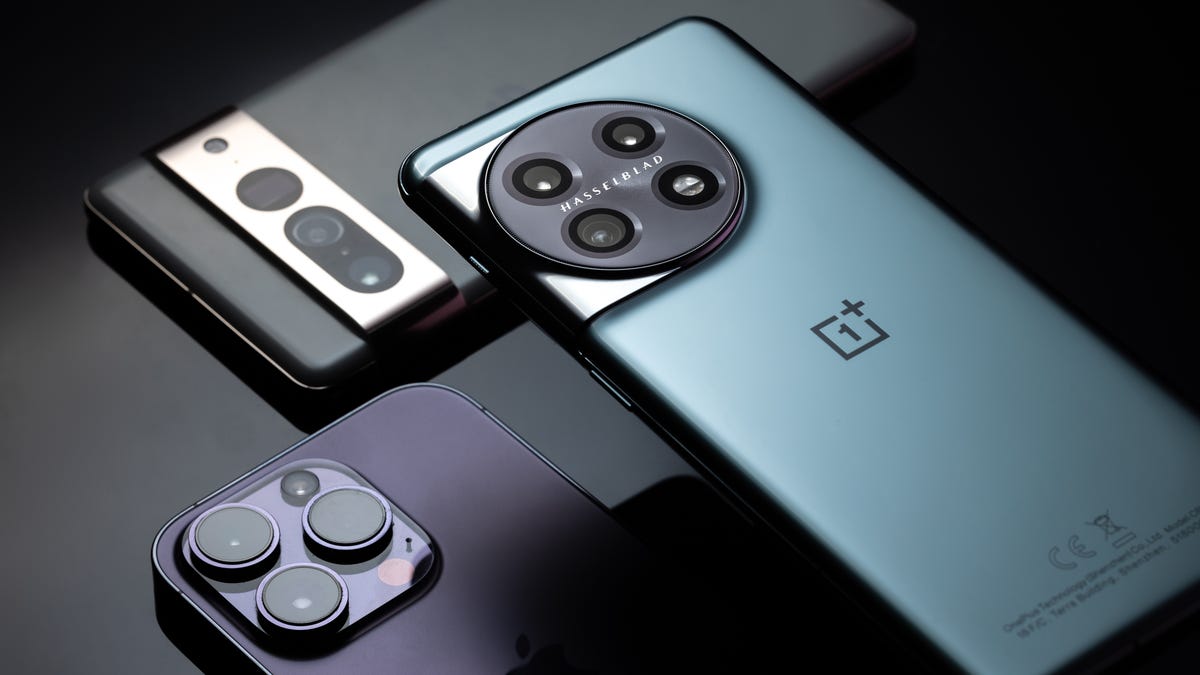
The best phones you can buy right now, like the iPhone 15 Pro or Samsung's Galaxy S24 Ultra, offer a variety of top-end features, including stellar performance, glorious displays and camera systems that give DSLRs a run for their money. These flagships represent the pinnacle of today's mobile technology, so it's no surprise they come with sky-high prices to match. That means they're out of reach for many of us -- or are simply unnecessary for those of us who simply want an all-round device for everyday use.
Read more: Best Android Phone to Buy in 2024
The huge number of choices from a variety of phone manufacturers should make shopping simple, but sometimes this makes it more confusing, whether you're looking for the highest-quality, elite phone or a more affordable phone, like the Google Pixel 7A. The best devices on the market not only have different prices, they also have different camera specs, screen sizes and storage capacities.
In this article
To help you cut through some of the jargon and spend your money sensibly, I've put together my tips for buying a phone.
How to buy a new phone: Top phone-buying tips
- Know what you care about most: Is it screen size? Camera quality? Battery life? This will help narrow down your choices. Phones like the iPhone 15 Pro or Galaxy S24 Ultra, for example, pack incredible cameras that almost rival the quality you'd get from a DSLR. If you're a photographer, then spending money here is a good idea. If not, you can likely save yourself a bundle.
- Don't discount the midrange: Features of last year's flagships always trickle down to this year's midrange handsets.You can get a great phone that does almost everything that a premium phone can do for a fraction of the price. Google's Pixel 8 Pro packs a great zoom camera, but the base Pixel 8 has most of the same key specs and comes at a more reasonable price.
- Shop the sales: Look for deep discounts and promo deals around major holidays, especially Amazon's Prime Day and Black Friday. And find out what your grace period is in case you need a quick return or exchange.
- Last year's phones: They can often be a great deal, too. Wait for this year's launch to get last year's phone for less, when stores and carriers may be trying to offload their existing stock.
- Hold the phone at a store first: You may love or hate the way it looks and feels in person.
- Check if you're already invested: Have you already bought a lot of iPhone apps and iTunes movies? Stick with an iPhone if you still want access to them. Likewise, if you've invested in loads of Android apps, you'll want to stay on that side of the fence. Otherwise, it's simple enough to switch platforms.
- Buy a case and screen protector: You'll protect your phone from costly damage and will increase the phone's resale or trade-in value for when you're ready to move on.
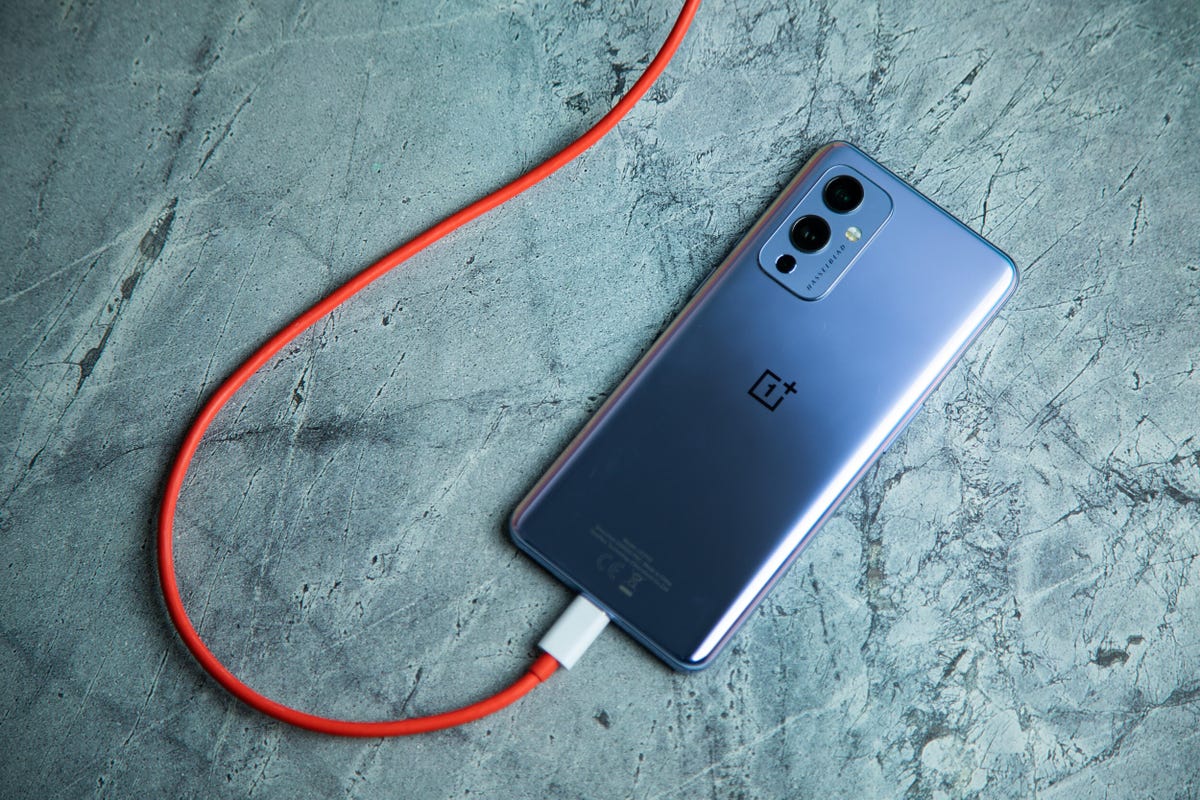
Smartphone performance vs. budget
In general, performance lines up with cost. The very latest, greatest technology usually comes at a premium. Flagship phones pack the best cameras, the most powerful processors and may even sport cutting-edge tech like foldable displays. The high prices mean that these phones are worth considering only by those who want the absolute latest tech in their pockets.
Not everyone needs such top tech, however, or may simply be unwilling to spend the $1,000 or more typically required to get it. Luckily, the midrange sector of the phone world has been one of the fiercest battlegrounds for companies to compete in, resulting in some amazing phones that won't break the bank. Features like wireless charging and cameras with multiple lenses that were once the domain of flagships are now commonplace on midrange phones.
Even budget phones will still offer decent camera quality and enough power for you to enjoy all of your everyday web browsing, WhatsApp-ing and Instagramming.
4G or 5G?
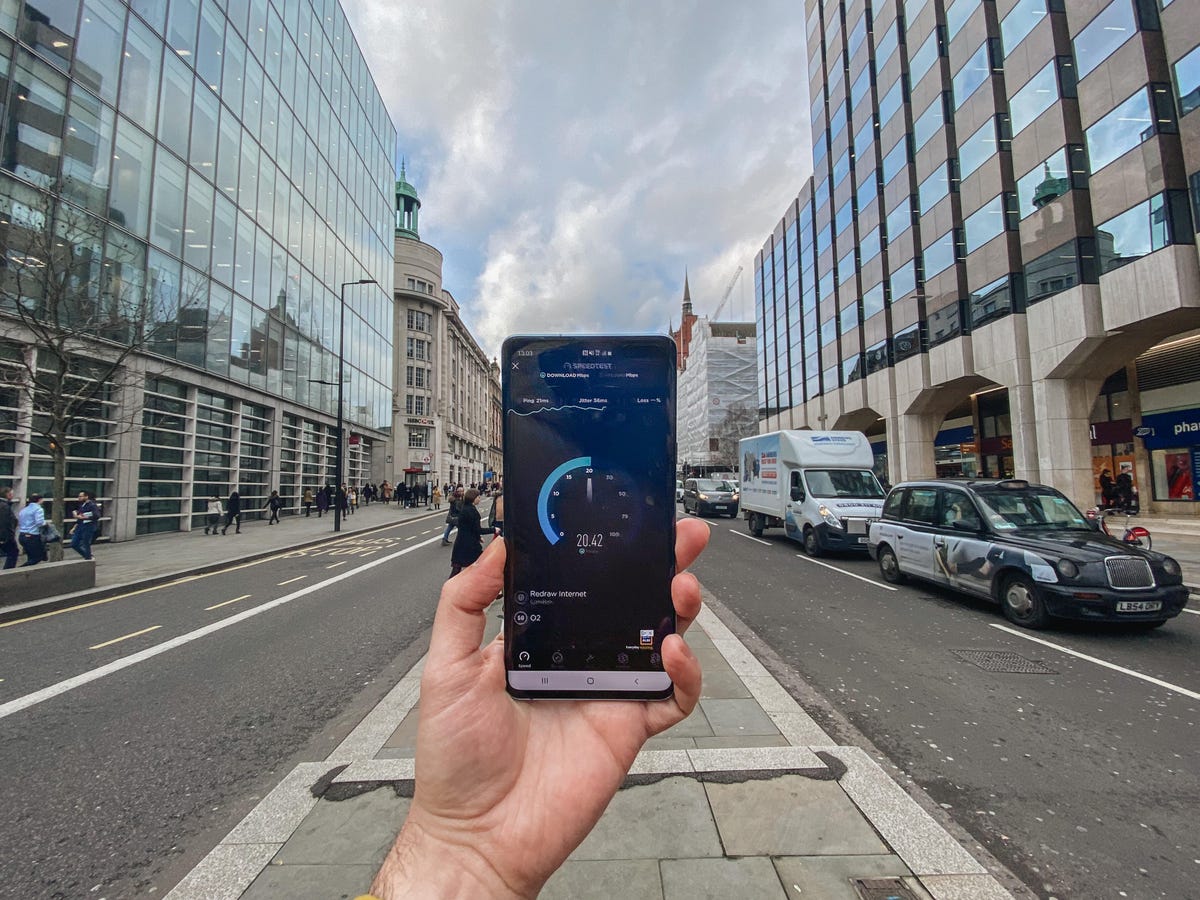
5G is the latest standard that promises lightning-fast mobile data speeds when you're out and about. While 5G coverage still isn't everywhere yet, it's widespread enough that you should absolutely look toward a 5G phone in 2024. And that's easy, as almost all of them are, from top-end flagships down to entry-level budget phones.
The only reason you should consider buying a 4G phone now is if you're looking at the used market and you've found a good deal on an older-generation model that will tide you over for a couple of years.
Screen size
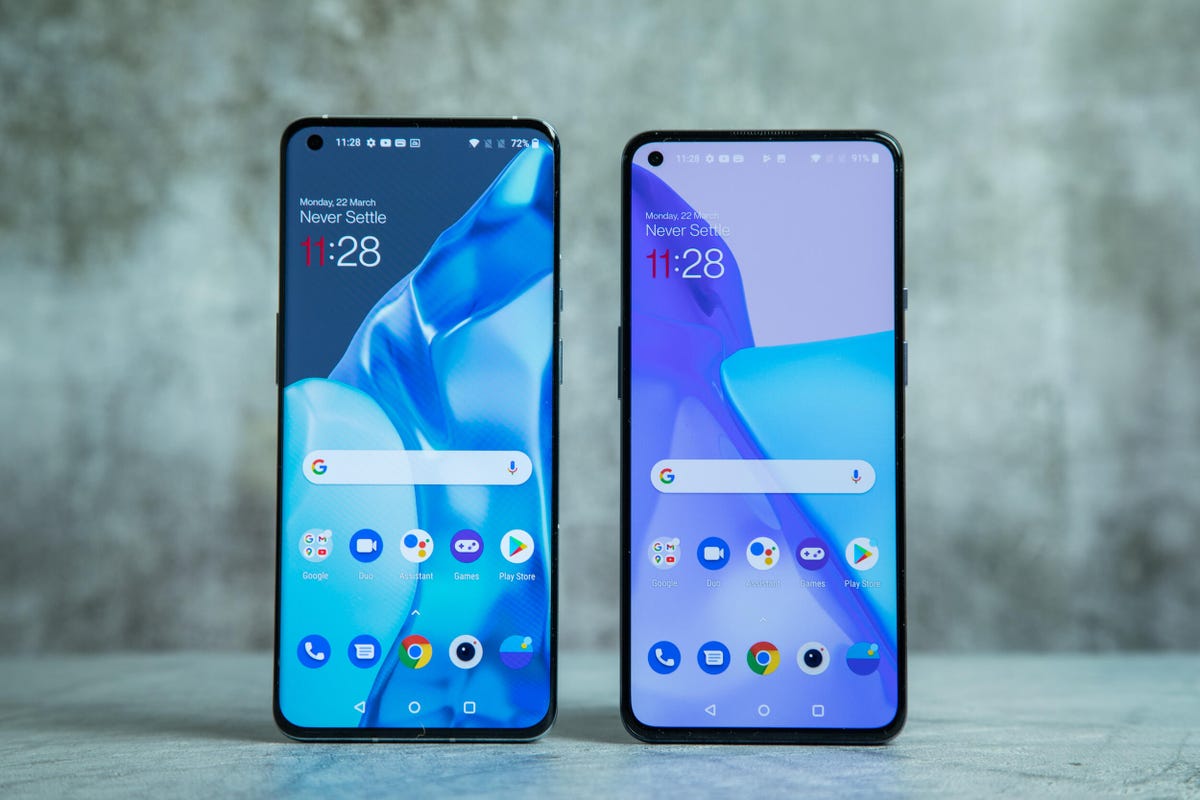
All phones have gotten steadily bigger over the last few years, with the iPhone 15 Pro Max measuring a whopping 6.69 inches and the Galaxy S24 Ultra coming in at 6.8 inches. Small phones aren't that common anymore, but there are a few options to consider if you don't want a massive screen stretching out your pockets.
Apple killed off its iPhone Mini line, making the 2022 iPhone SE the smallest iPhone you can currently buy. On the Android side, the Google Pixel 7A's 6.1-inch display makes it one of the better smaller phones, but even then, it's hardly what you'd call tiny.
Camera performance
Camera features have been a major point for bragging rights in recent phones, with manufacturers always wanting a bigger, more exciting number, be it the number of megapixels or quantity of actual camera lenses. Three rear cameras are now common -- a regular lens, an ultrawide lens and a telephoto lens -- with even budget-focused phones packing multiple cameras.
Read more: Best Camera Phone to Buy in 2024
This is great, as more lenses mean more shooting options when you're out and about. But that doesn't mean that any multilens camera is as good as another. As with processor performance, the more you spend, the better the results you'll typically get, with the absolute best cameras around usually being found on the most expensive flagships.
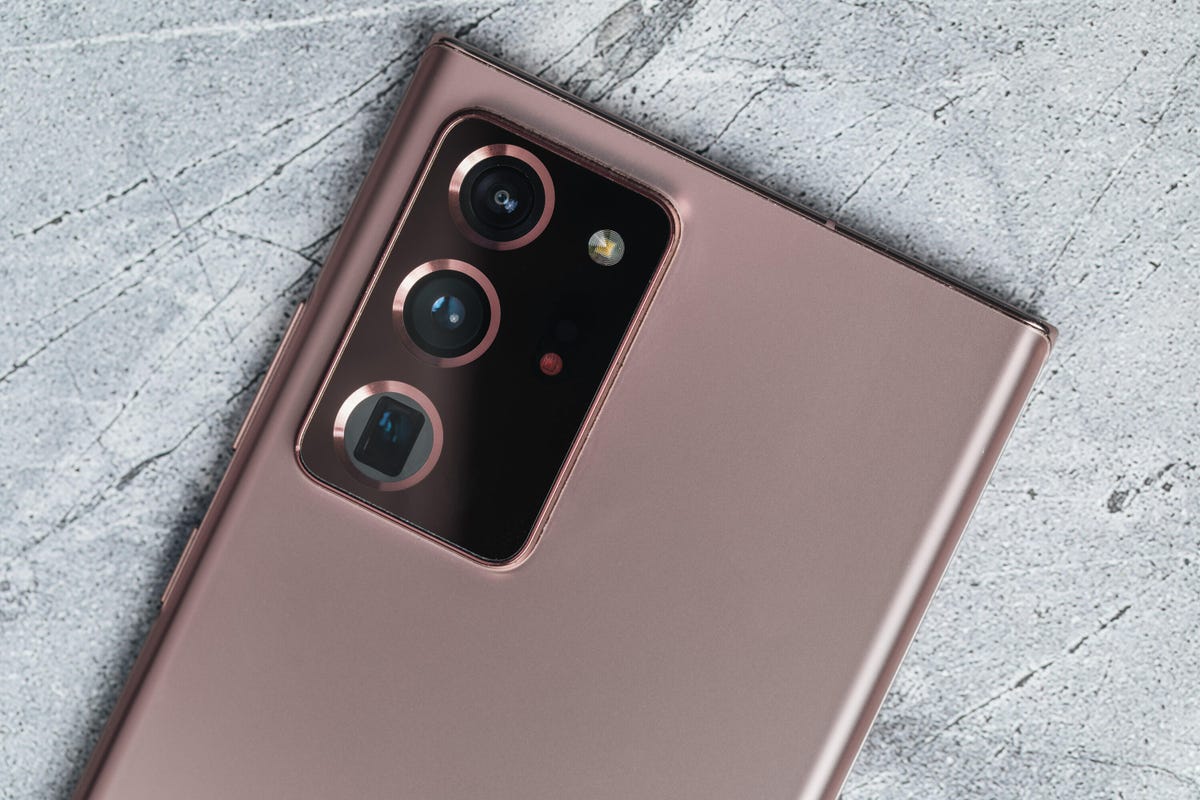
Look out for features like optical (rather than digital) zooms, night mode for better low-light images, and optical image stabilization. Sometimes these features might not be clear, and it's not possible to judge a camera's performance just by looking at the specs. If you really care about your phone's photography skills, then take some time to look at the reviews and see how its camera performs before you spend your money.
Battery life
Most phones, from the budget end through to elite flagships, can last most of a day on a single charge. Bigger phones might have bigger batteries, but they also have bigger screens and often more powerful processors, so they suck that extra juice down quickly. Few phones will give you more than a day of use. Here are some things to keep in mind:
- Always plan on giving your phone a full charge overnight.
- Look for features like fast charging, that allow your phone to take on a lot of power in a short space of time. Check to see if your phone comes with a compatible faster charger though, as an old USB plug may not support it.
- Your battery will last longer if you avoid more demanding tasks such as gaming or video streaming. Keeping the screen brightness down will help too.
Processor performance
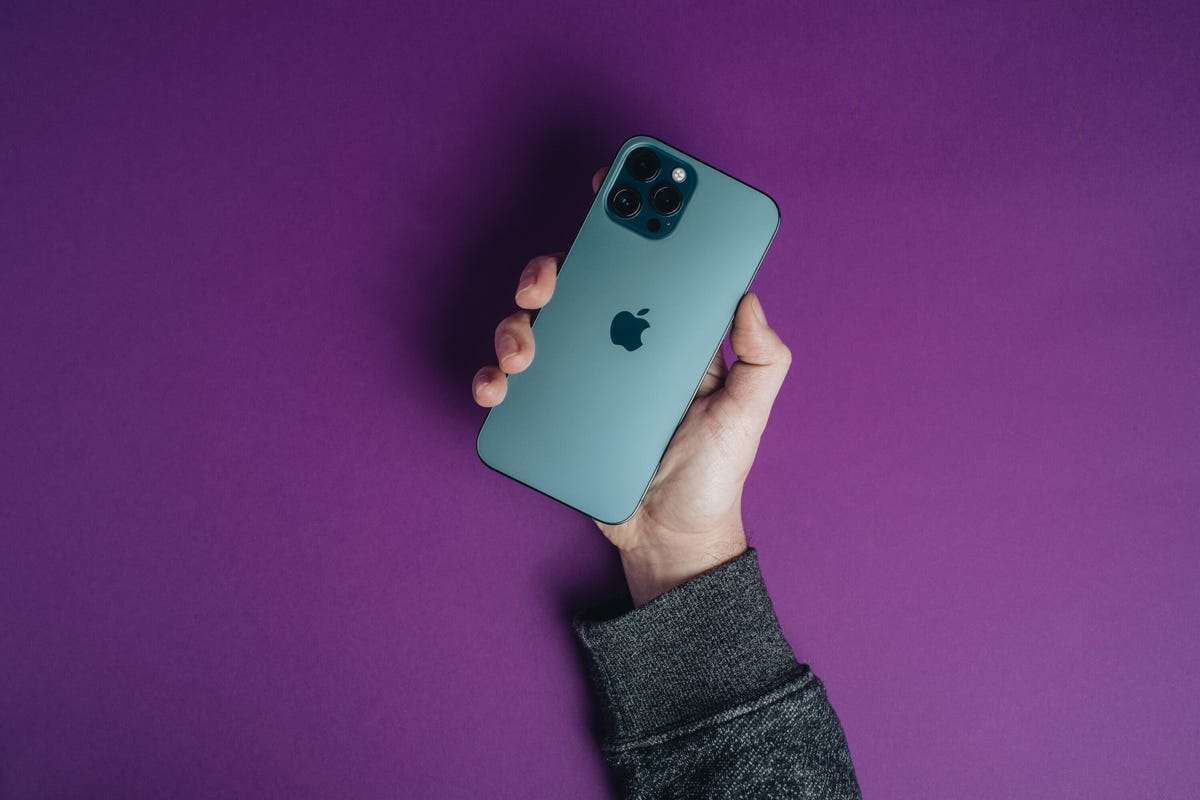
Top-end phones pack powerful processors along with 12GB of RAM or even more. It's enough to make these phones run any task without breaking a sweat, but you don't need to spend flagship level money to get great performance.
Most decent midrange phones offer enough power to handle all of your everyday needs. You'll still be able to play almost any game from the Google Play store and edit your high-resolution photos in apps such as Snapseed or Adobe Lightroom. There's little you could throw at most midrange phones that they wouldn't be able to handle.
As you move into the budget end of the spectrum, that's when you'll start to notice some slowdown with things like gaming. More demanding 3D games might look more stuttery and may even unexpectedly quit. However, basic tasks such as sending emails, listening to Spotify and browsing Instagram shouldn't be a problem.
How much phone storage do you need?
Most phones, even the budget ones, come with at least 64GB of storage, of which 10 may be taken up by preinstalled apps and the phone's operating system. If you don't plan on recording video, and gaming isn't your thing, 64GB might be enough, but otherwise you should consider 128GB to be a safer minimum.
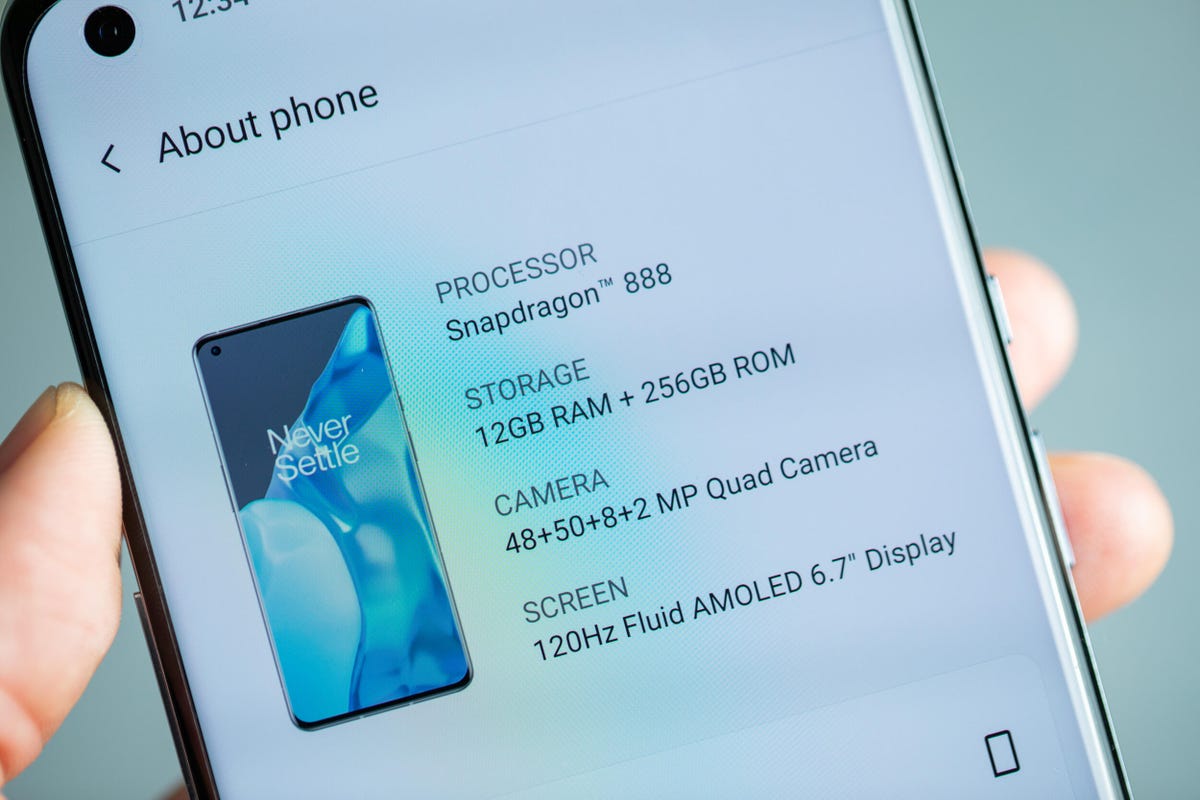
Higher-end phones -- particularly those that can record high quality 4K video -- offer capacities of 256GB or more. With that much space, you'll barely need to think twice about having to clear out old files.
If the phone supports microSD cards then it's a different matter, as you can pick up 32GB microSD cards (or bigger) for very little money these days and popping one into your phone will dramatically increase the amount of storage you'll have access to. Unfortunately, expandable storage is a very rare feature on phones these days.
Bonus features
Many of these features are now common on phones at various price points and are worth keeping in mind when you're shopping.
- Fingerprint scanner or face unlock: A scanner may be on the back or even invisibly built into the display. Biometric security, as it's called, is more secure than having to remember a PIN.
- Water-resistant: Do you often take calls in the rain? Look for a phone with at least an IP67 rating to keep it safe from water and spilled drinks.
- Wireless charging: This is available on many phones, with some now offering faster wireless charging speeds, as long as you use a compatible charging pad.