 Why You Can Trust CNET
 Cell phones with the highest radiation levels (pictures)
CNET shows you the 20 cell phones among current US models that have the highest SAR (specific absorption rate), as rated by the FCC.


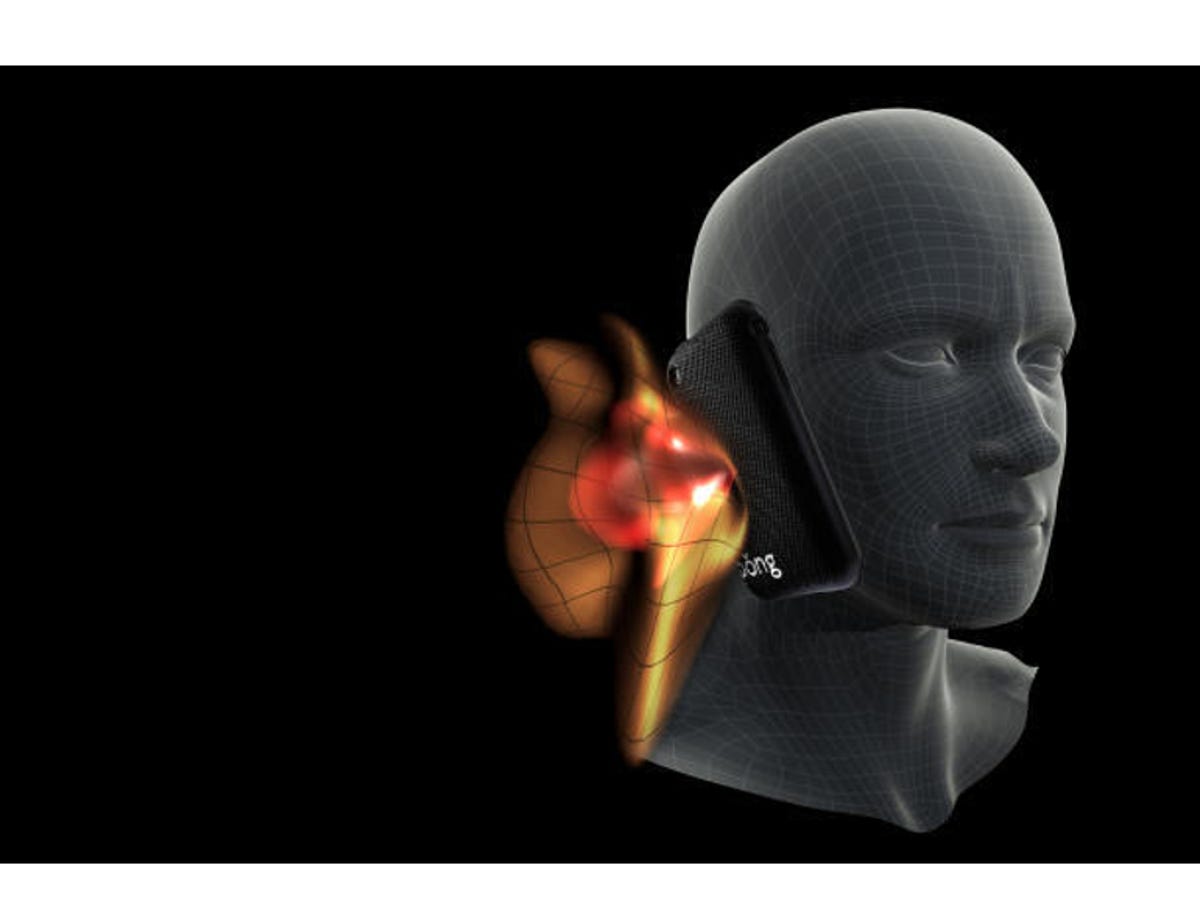
For a phone to pass FCC certification and be sold in the United States, its maximum Specific Absorption Rate, or SAR level must be less than 1.6 watts per kilogram.
Since we started reviewing cell phones more than 10 years ago, CNET has tracked the SAR of every handset that we review. Though we're still reformatting our full Cell Phone Radiation Charts and will bring them back shortly, we have updated our lists of the 20 phones with the highest SAR levels and the 20 phones with lowest SAR levels.
Don't miss: Why CNET compiles cell phone radiation charts
By publishing these lists we are in no way implying that cell phones are dangerous. Also, we are not implying that a cell phone with a lower SAR is inherently safer. Rather, we are giving you the tools to make a choice based on your own concerns.
Though some researchers argue that the radiofrequency energy that cell phones emit may lead to a higher risk of cancer, others disagree. Research continues, and we will continue to monitor its results.
The SAR level listed in this gallery represents the highest SAR level measured with the phone next to the ear, as tested by the FCC. It's possible for the SAR level to vary among different transmission bands (the same phone can use multiple bands during a call), and different testing bodies can obtain different results.
Editors' note: Models are listed from higest to lowest SAR rating.
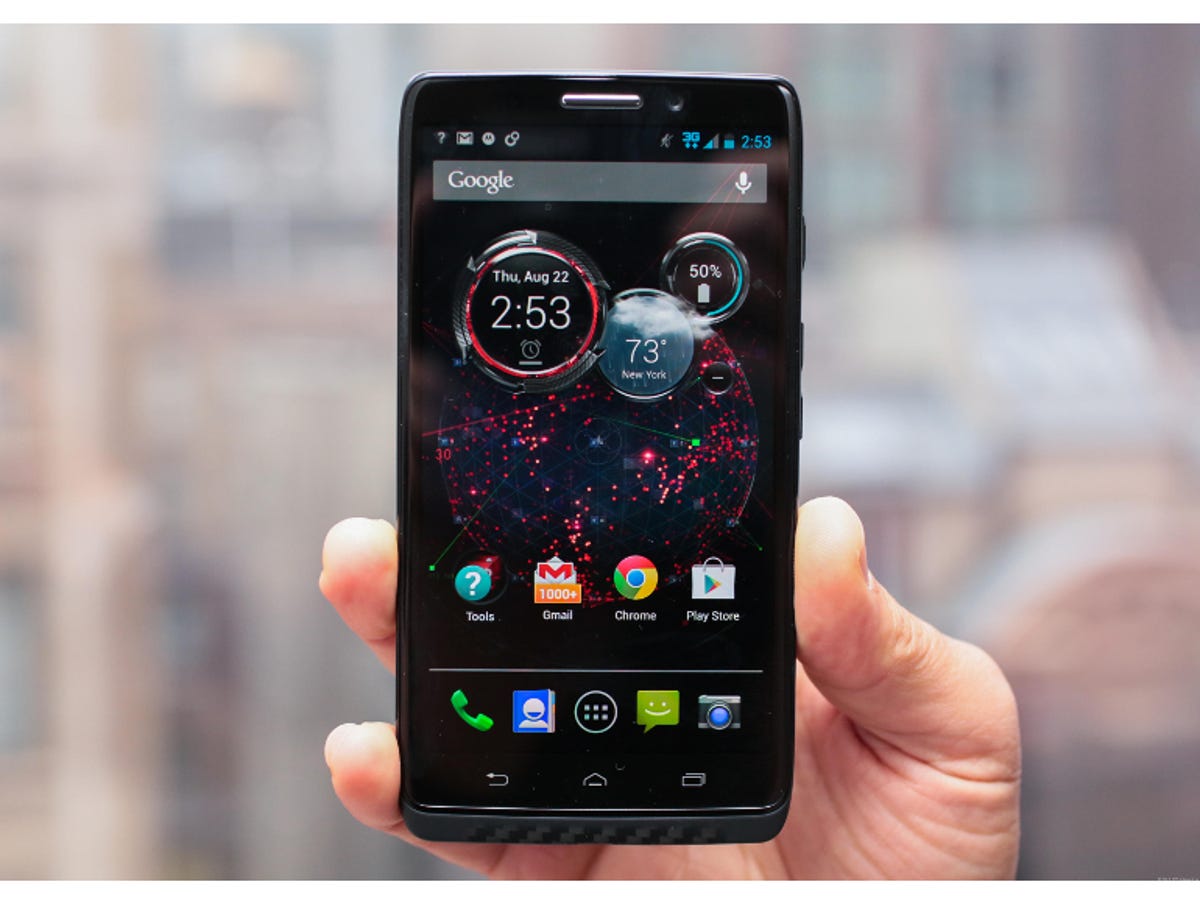
Motorola Droid Maxx
SAR: 1.54
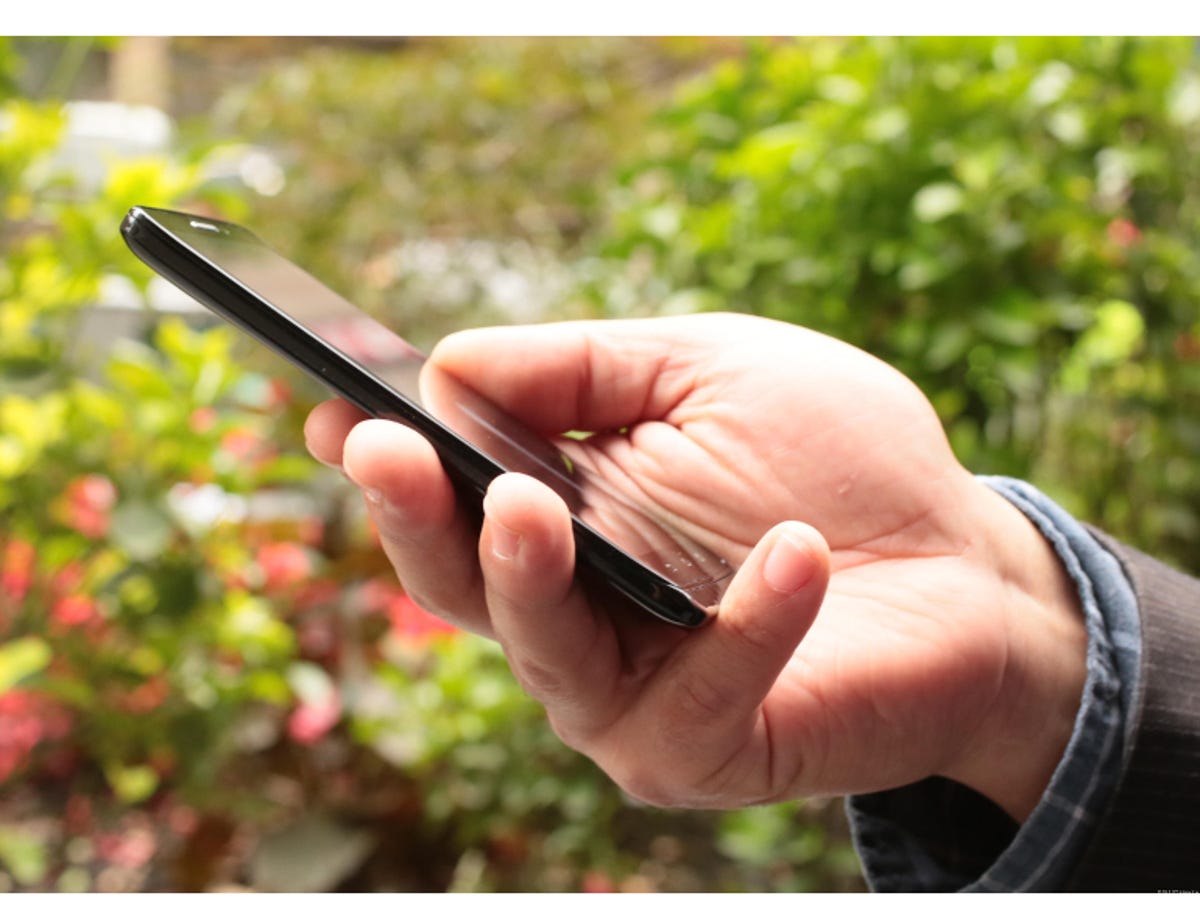
Motorola Droid Ultra
SAR: 1.54
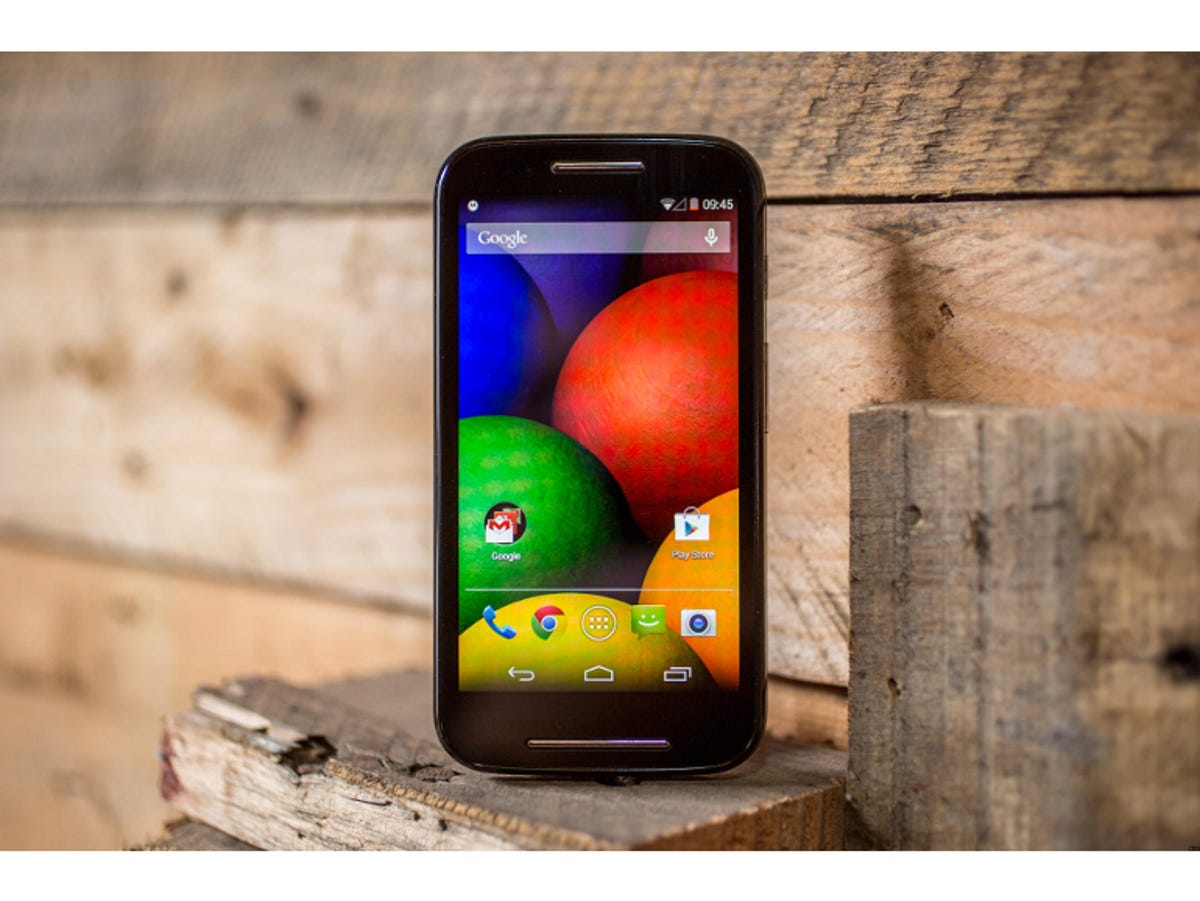
Motorola Moto E
SAR: 1.5
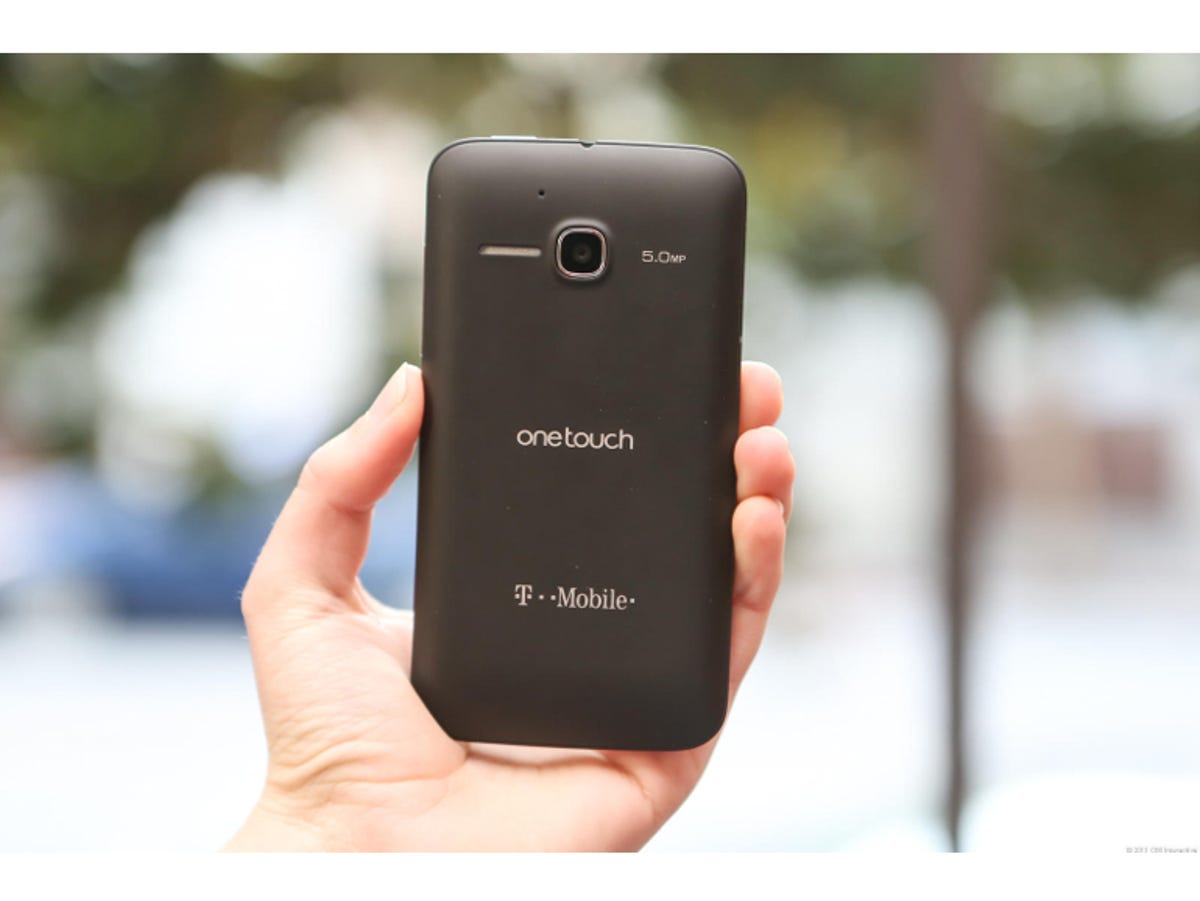
Alcatel One Touch Evolve
SAR: 1.49
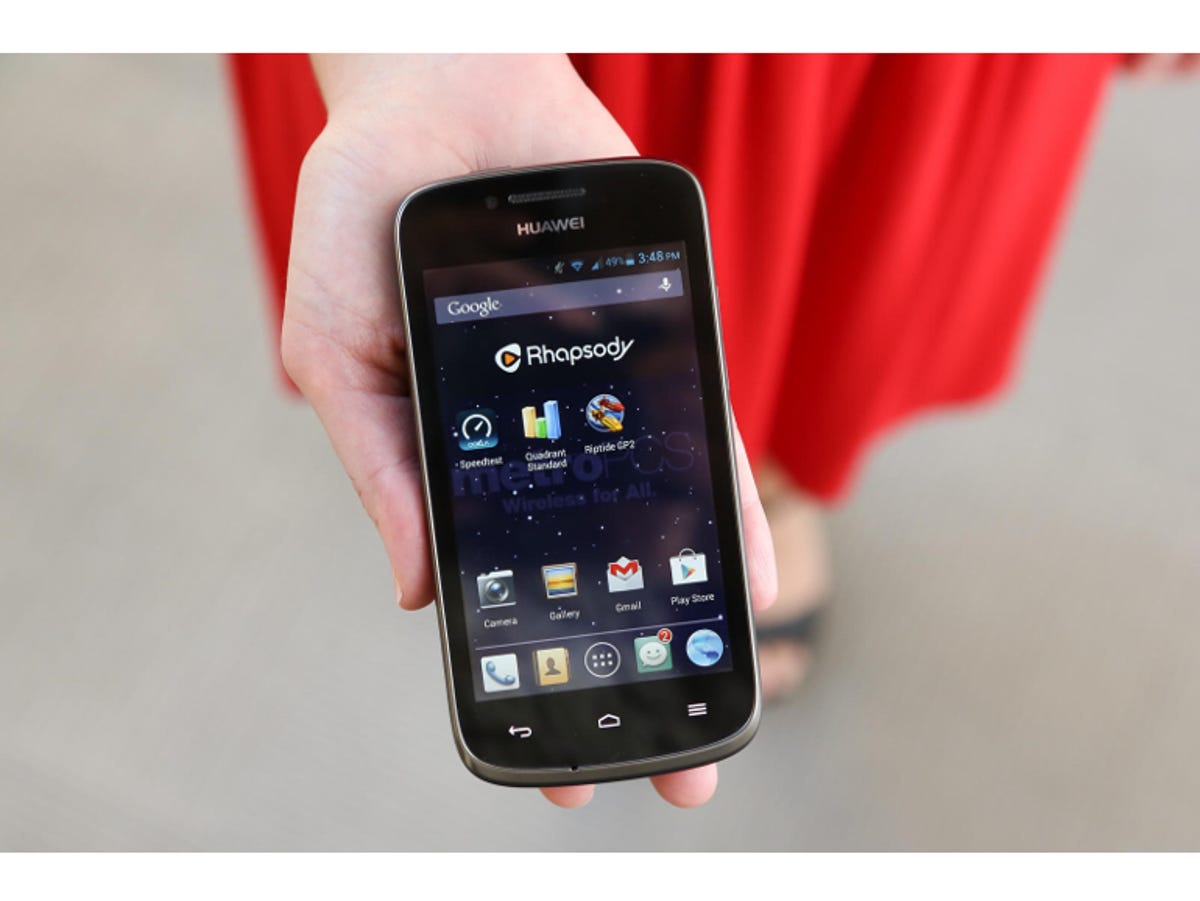
Huawei Vitria
SAR: 1.49
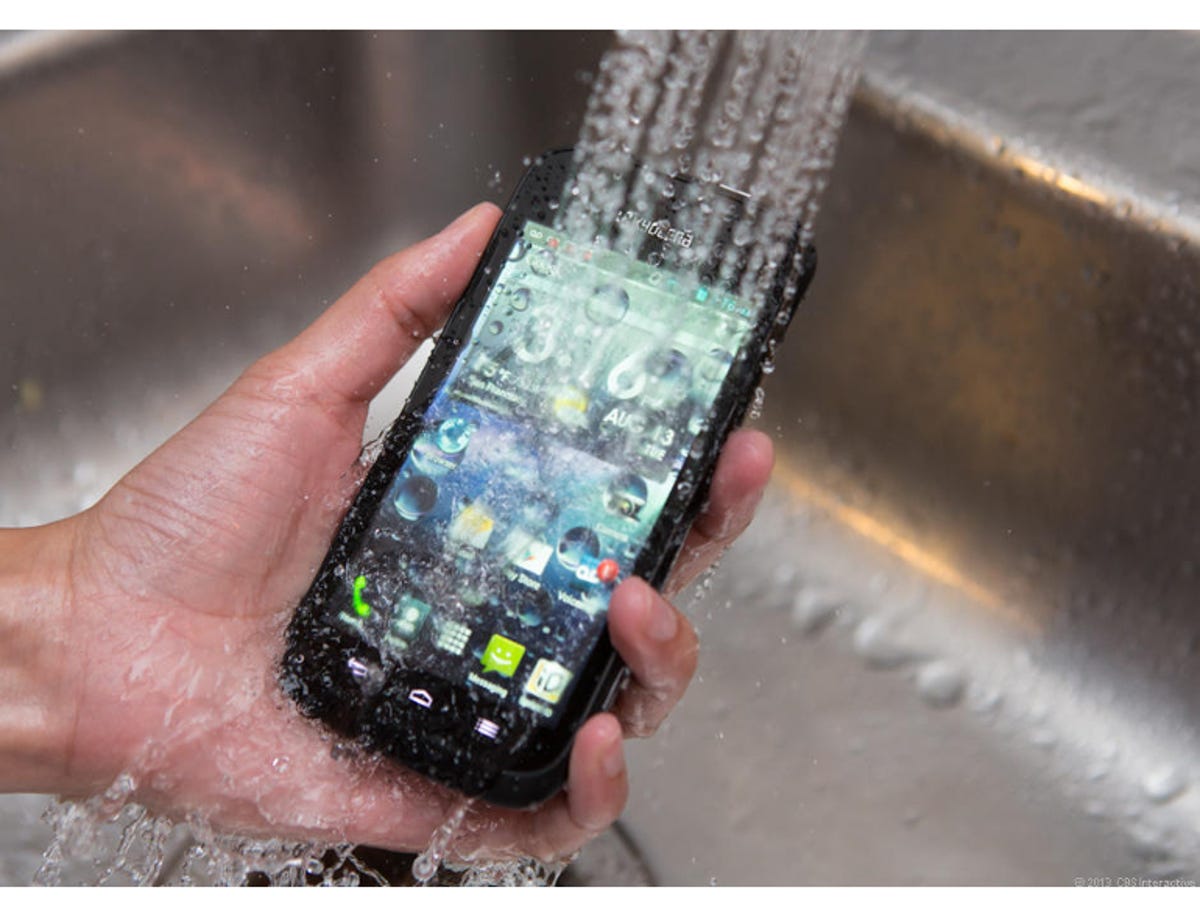
Kyocera Hydro Edge
SAR: 1.48
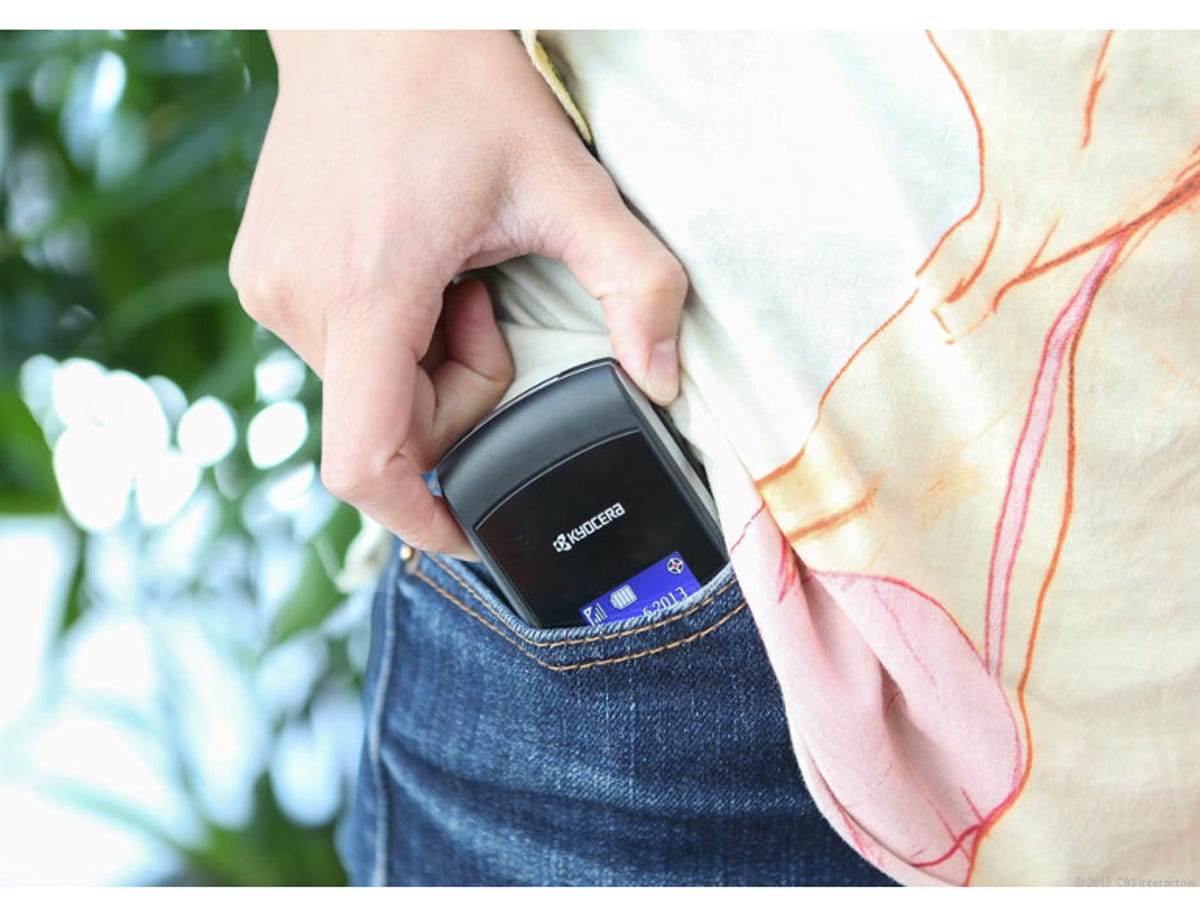
Kyocera Kona
SAR: 1.45
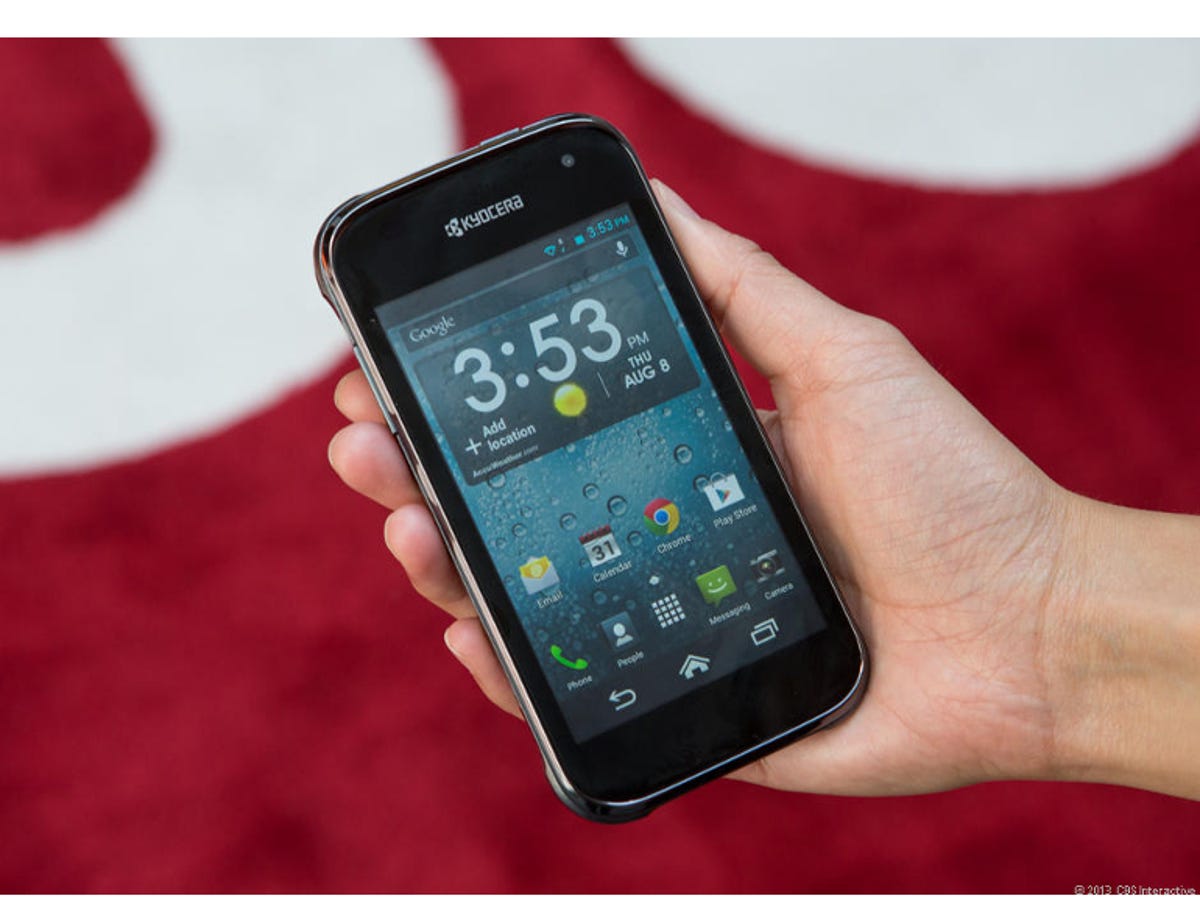
Kyocera Hydro XTRM
SAR: 1.44
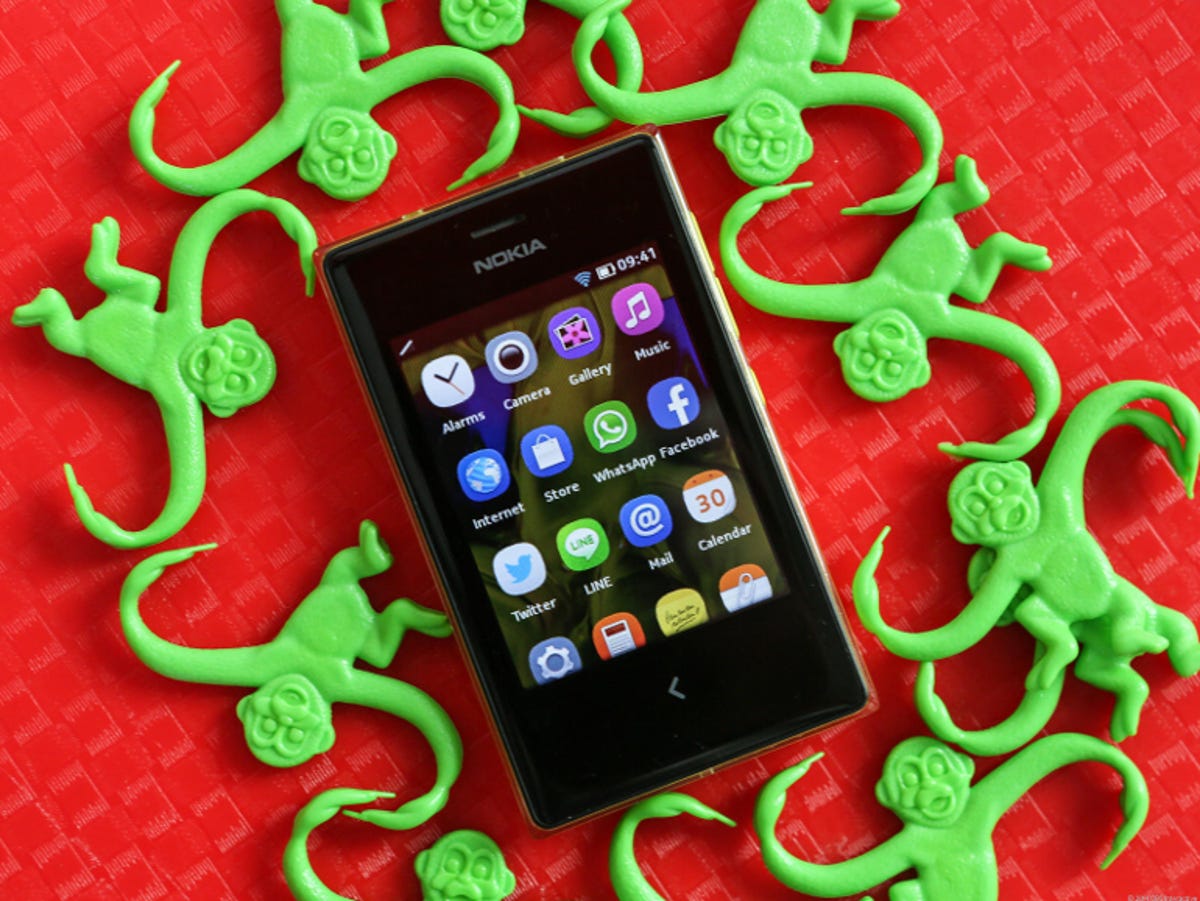
Nokia Asha 503
SAR: 1.43
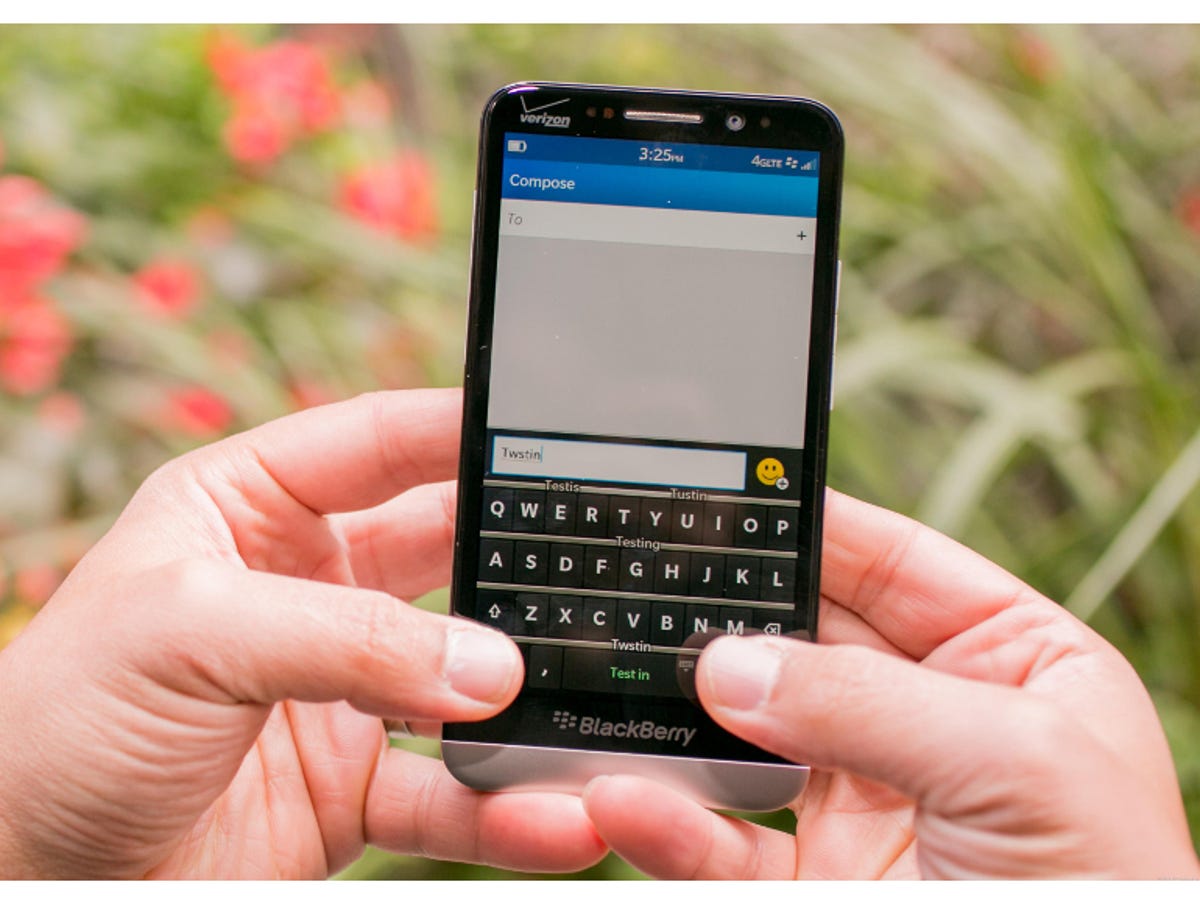
BlackBerry Z30
SAR: 1.41
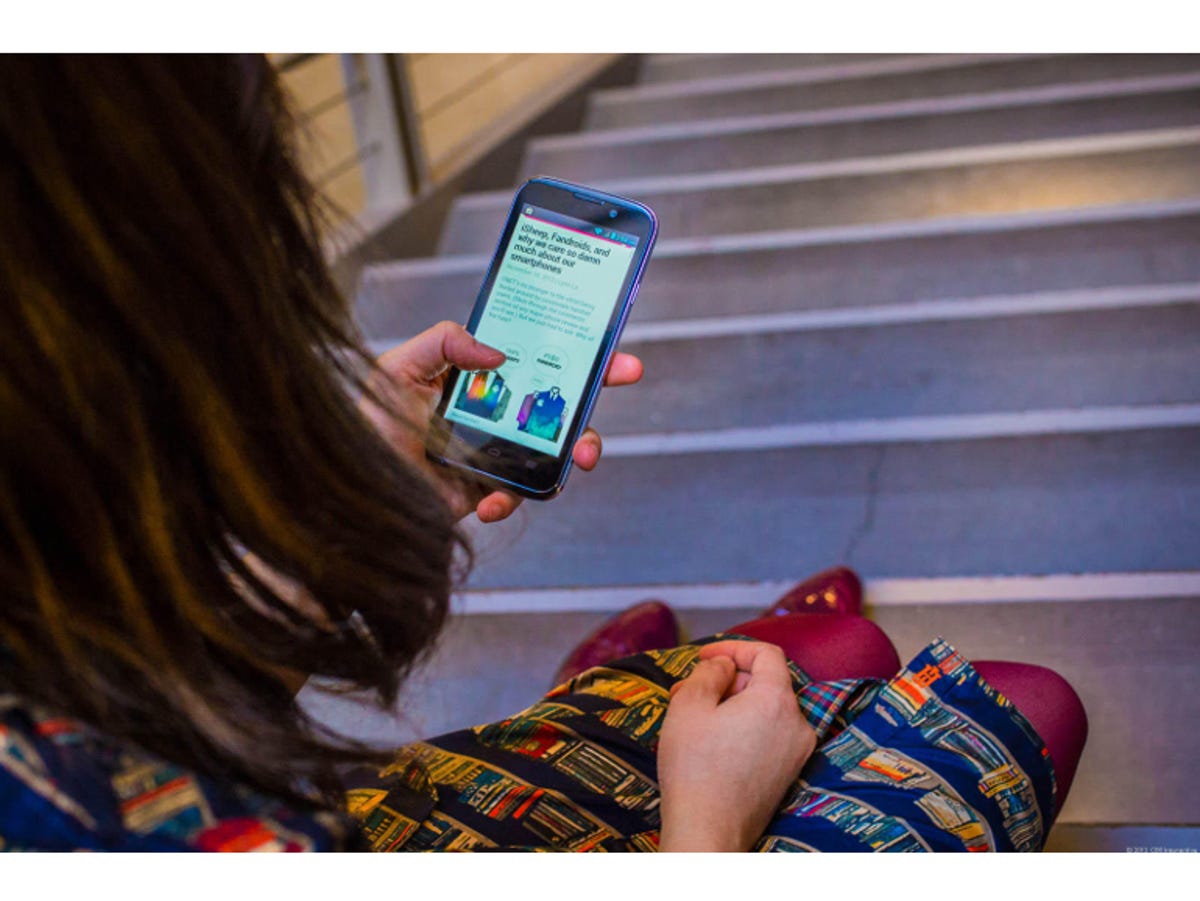
ZTE Source
SAR: 1.41
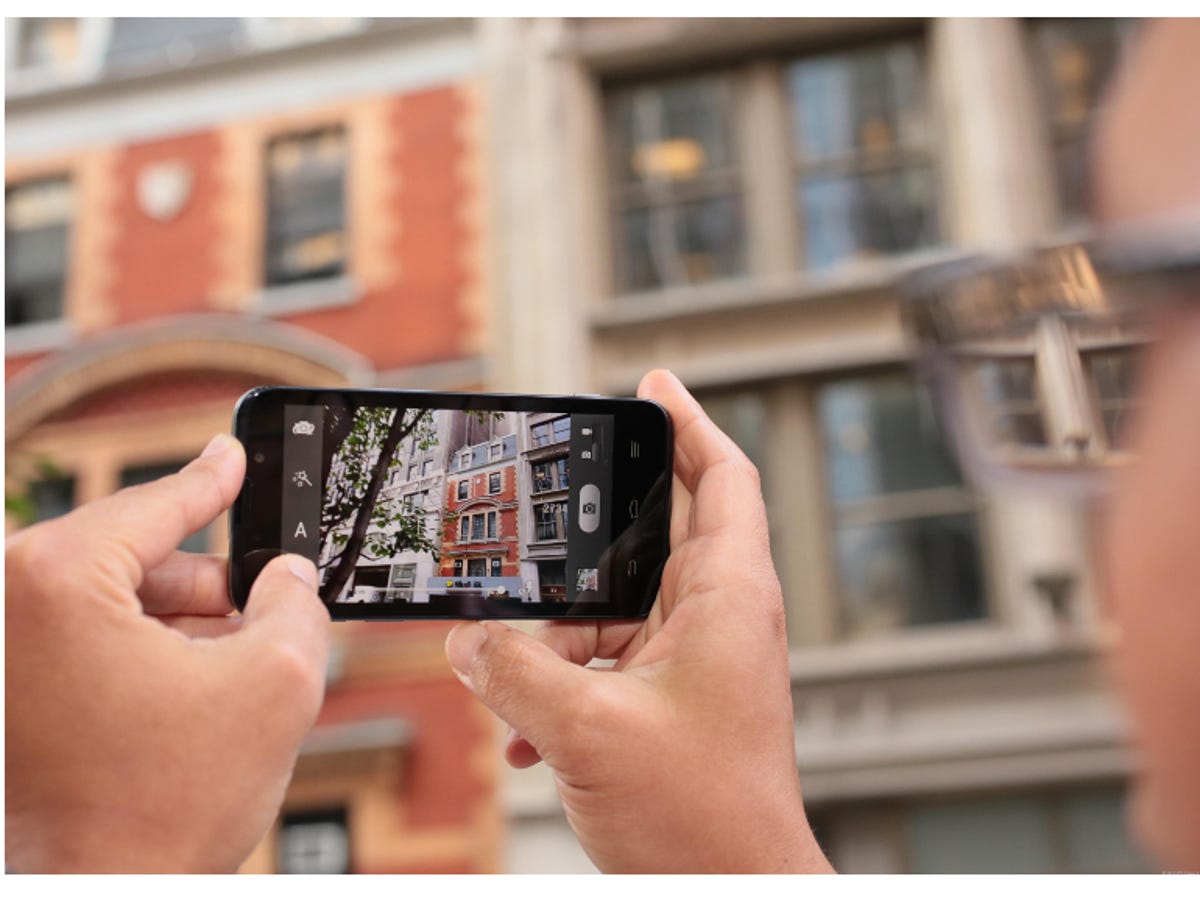
ZTE Warp 4G
SAR: 1.41
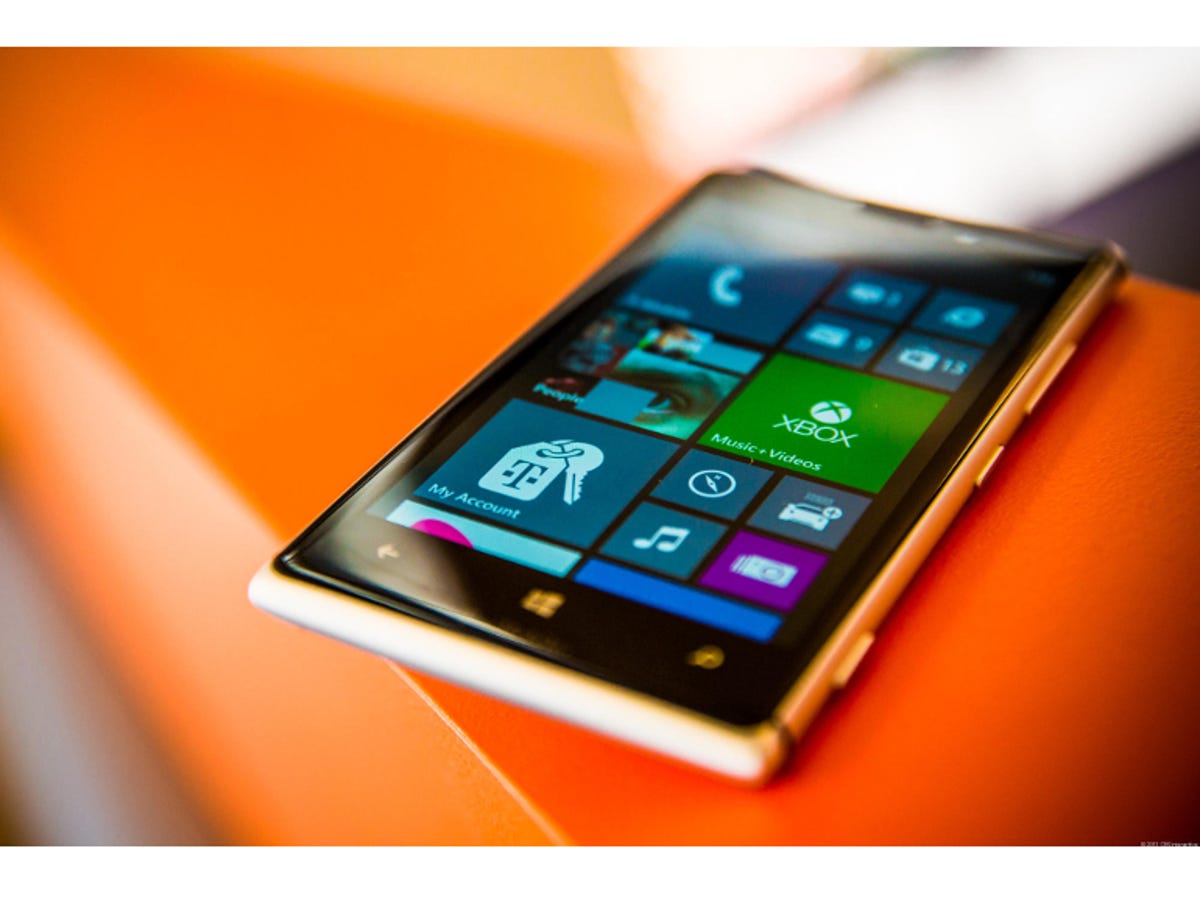
Nokia Lumia 925
SAR: 1.4
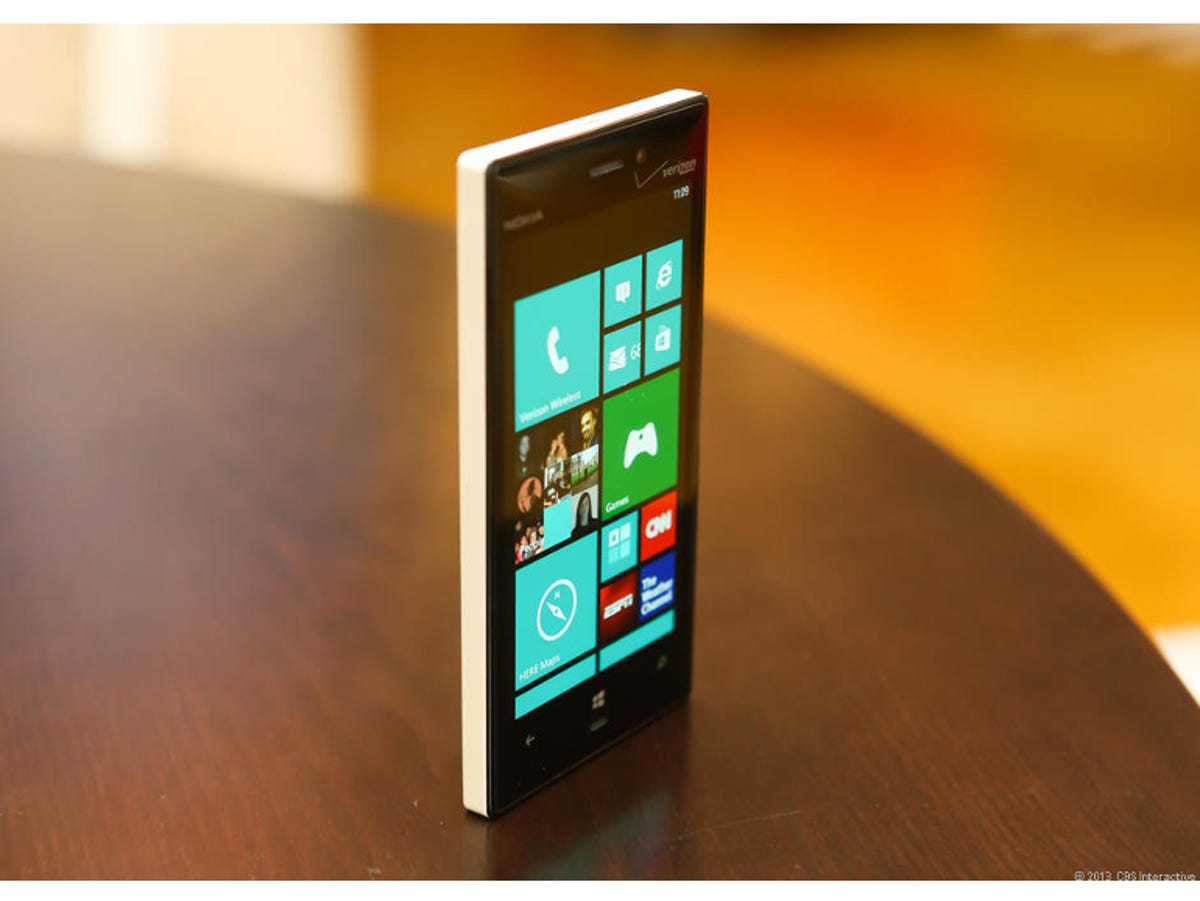
Nokia Lumia 928
SAR: 1.4
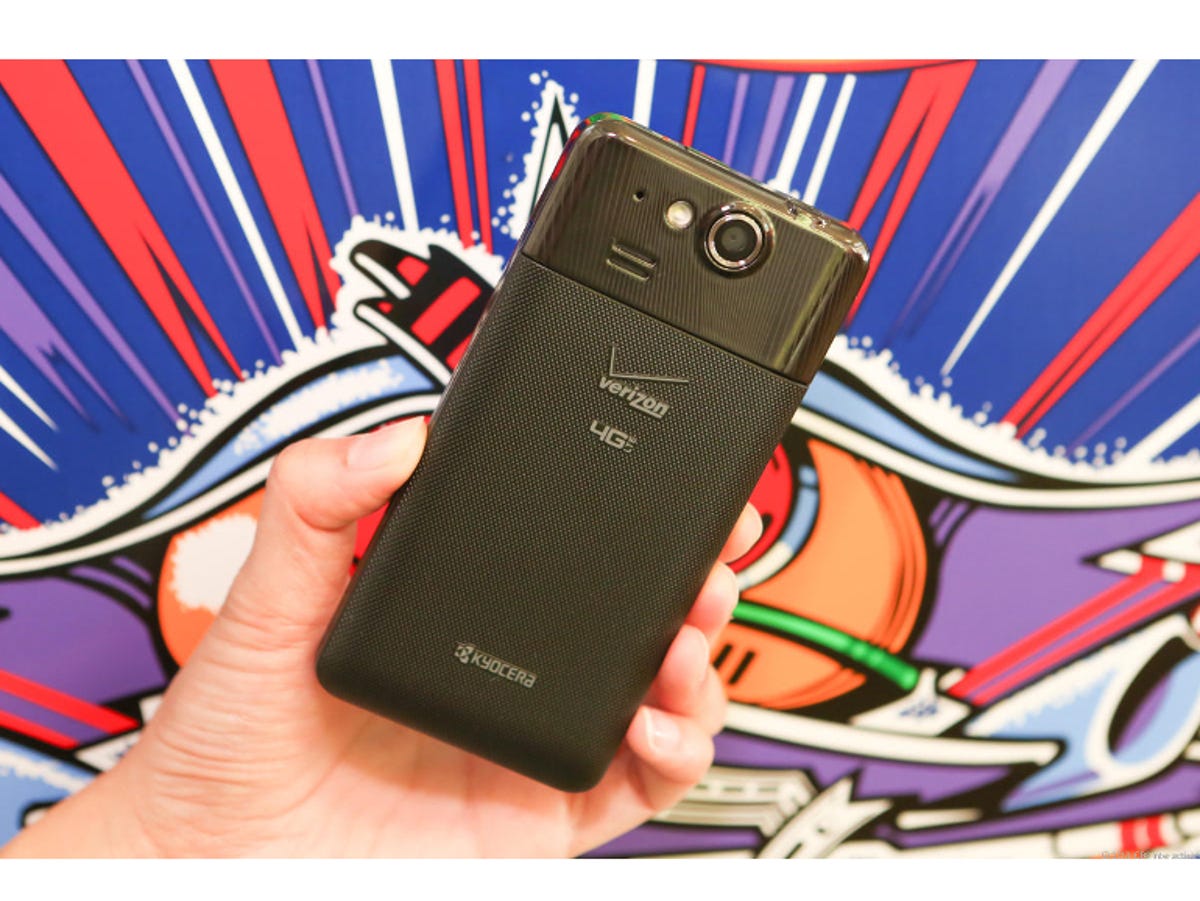
Kyocera Hydro Elite
SAR: 1.39
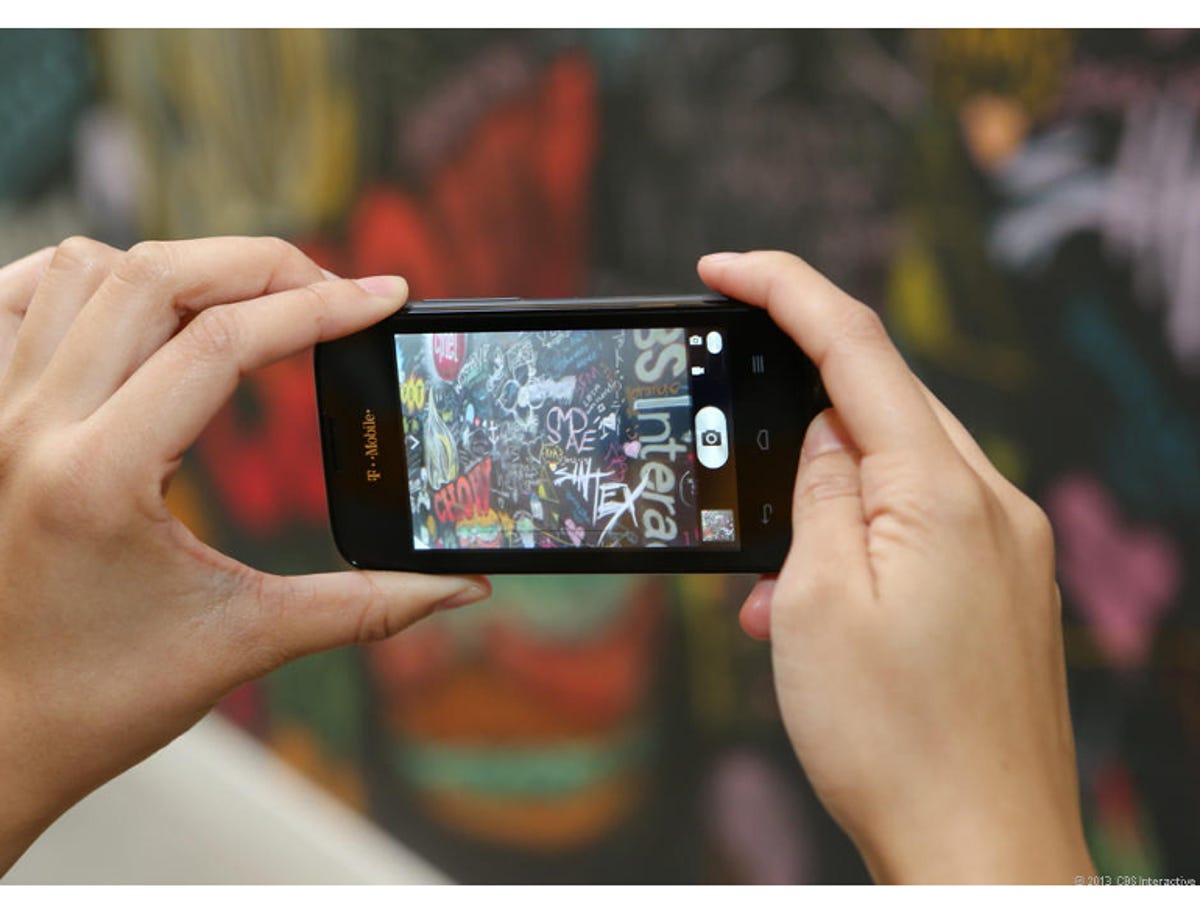
T-Mobile Prism 2
SAR: 1.38
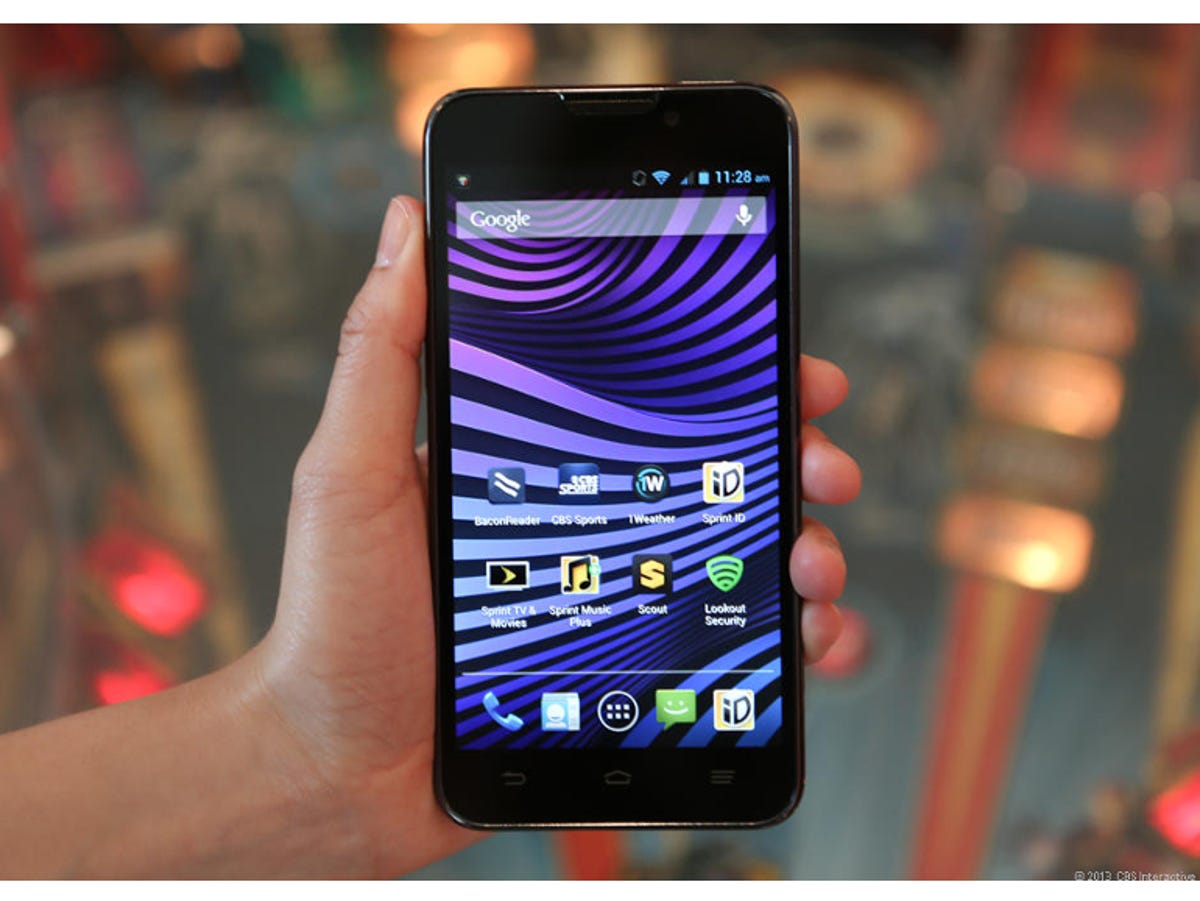
Sprint Vital
SAR: 1.38
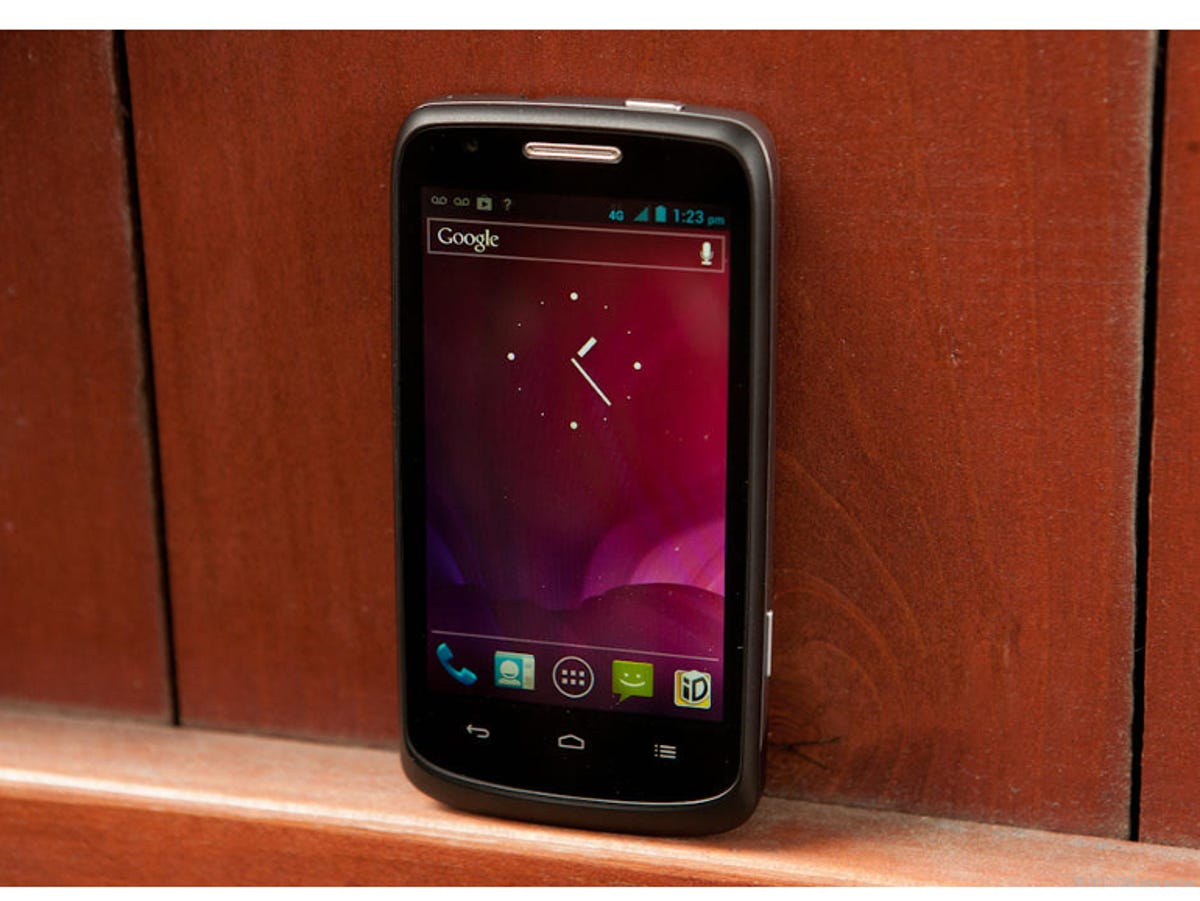
Sprint Force
SAR: 1.37
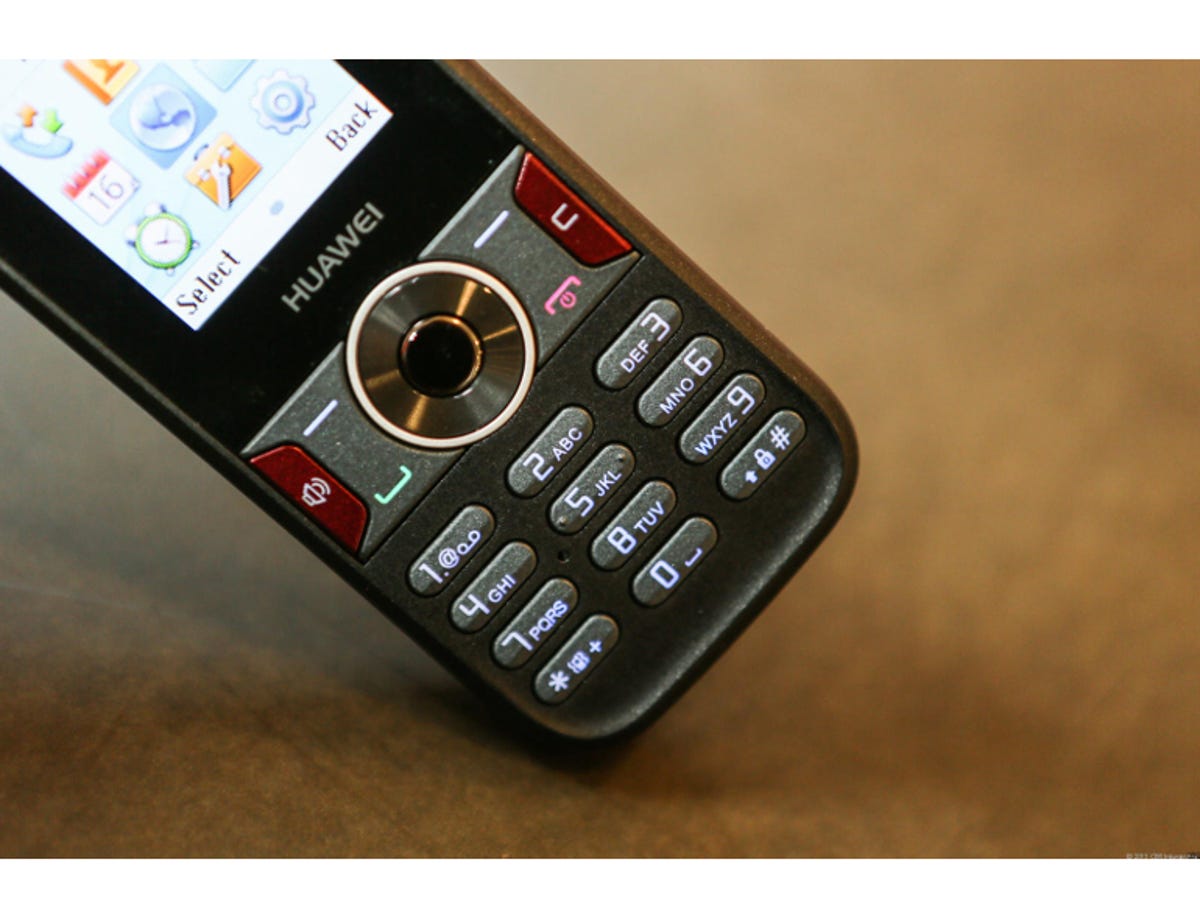
Huawei Pal
SAR: 1.33
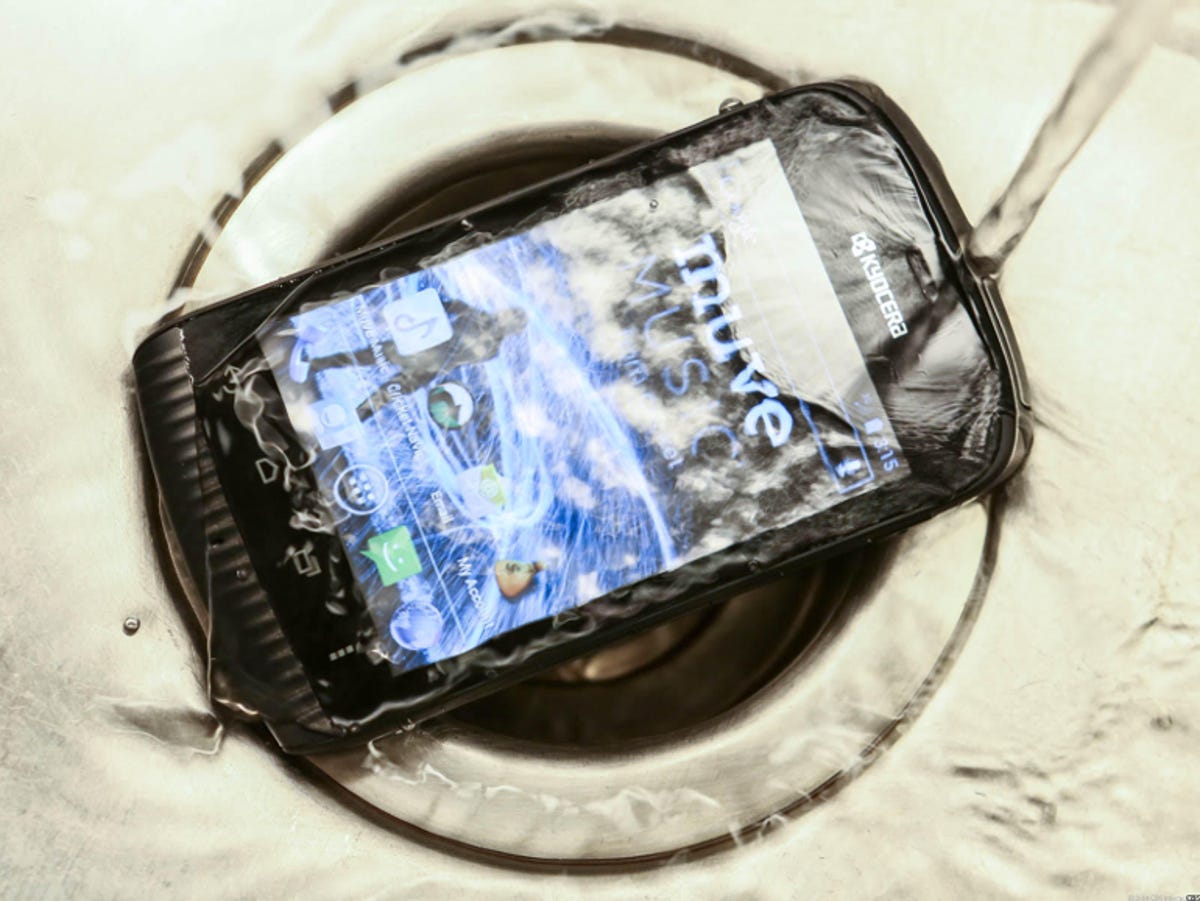
Kyocera Hydro Plus
SAR: 1.33
More Galleries
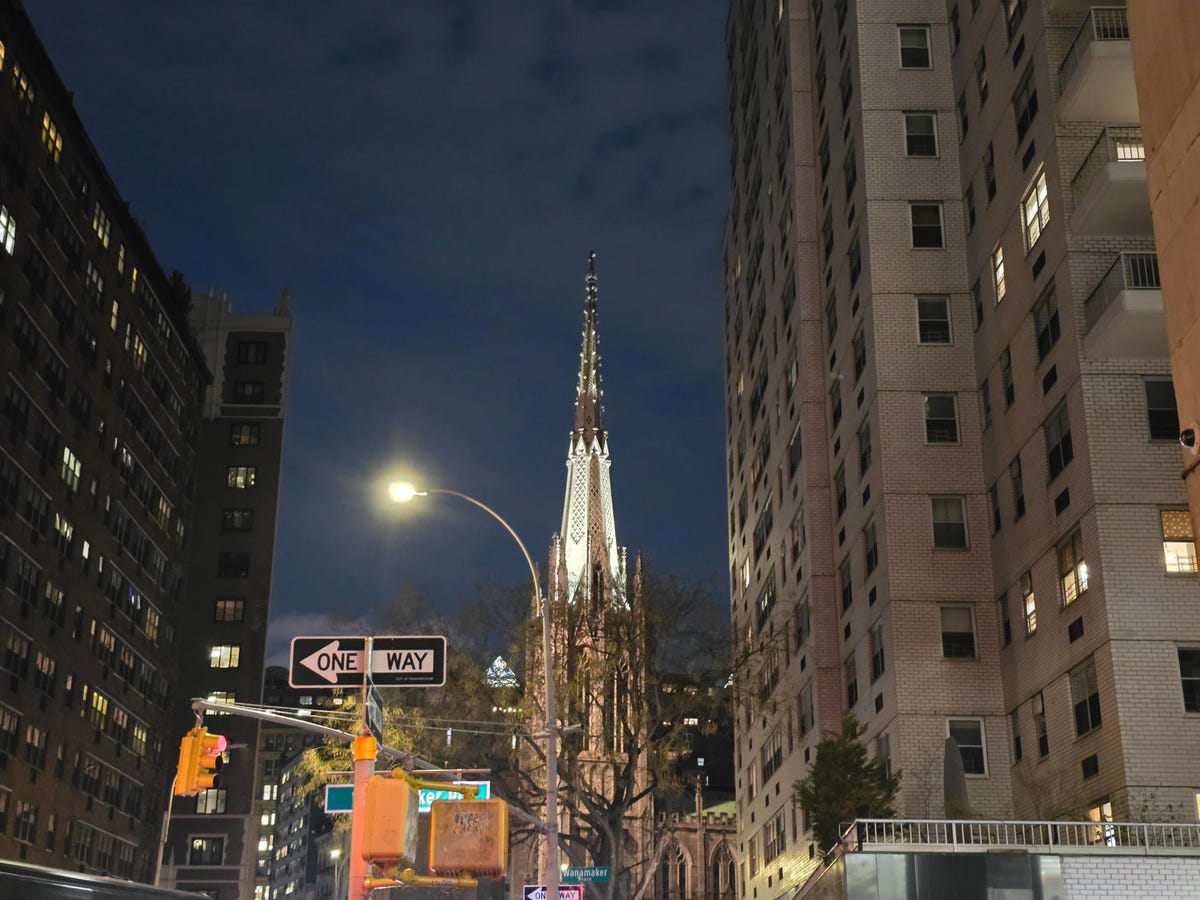
My Favorite Shots From the Galaxy S24 Ultra's Camera
20 Photos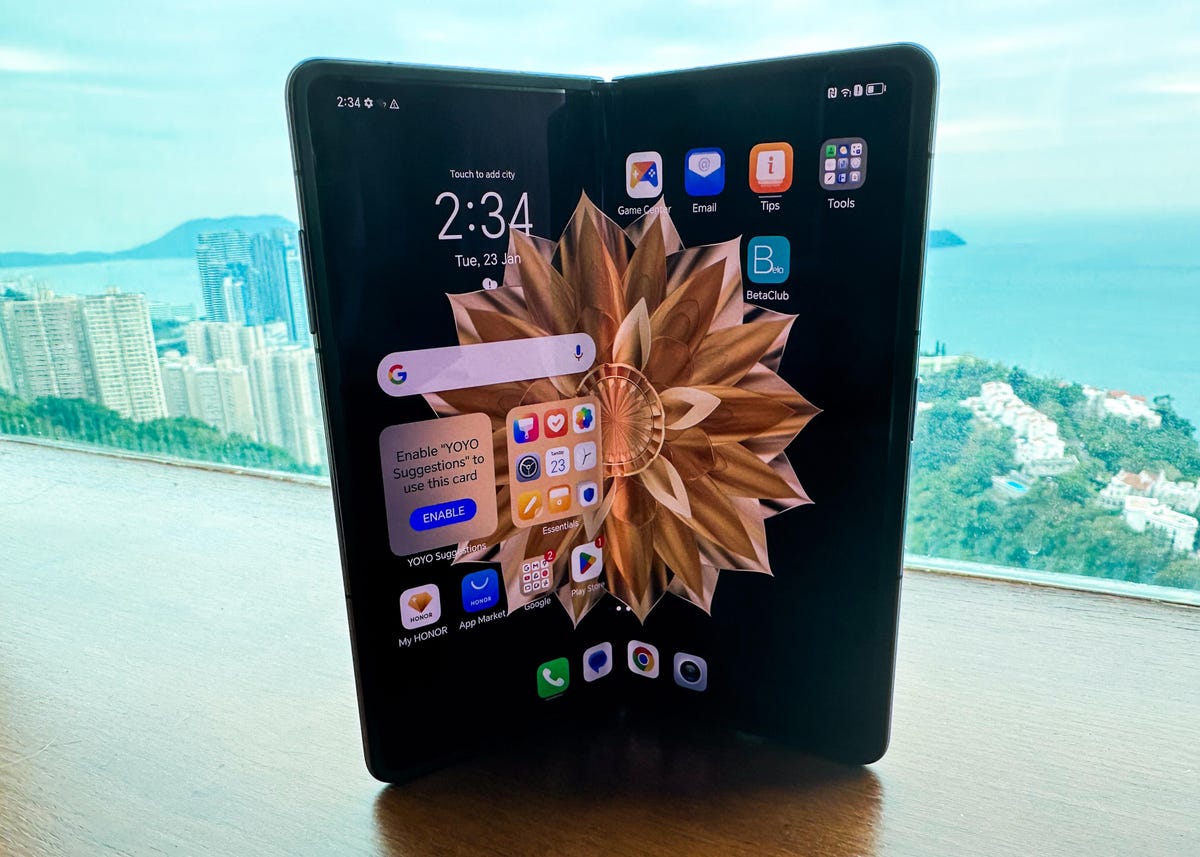
Honor's Magic V2 Foldable Is Lighter Than Samsung's Galaxy S24 Ultra
10 Photos
The Samsung Galaxy S24 and S24 Plus Looks Sweet in Aluminum
23 Photos
Samsung's Galaxy S24 Ultra Now Has a Titanium Design
23 Photos
I Took 600+ Photos With the iPhone 15 Pro and Pro Max. Look at My Favorites
34 Photos