Dodge EV and Tesla Roadster, separated at birth?
Since yesterday's unveiling of Chrysler's electric vehicle concepts, there have been many parallels drawn between the Dodge EV and the Tesla Roadster.


- North American Car, Truck and SUV of the Year (NACTOY) Awards Juror
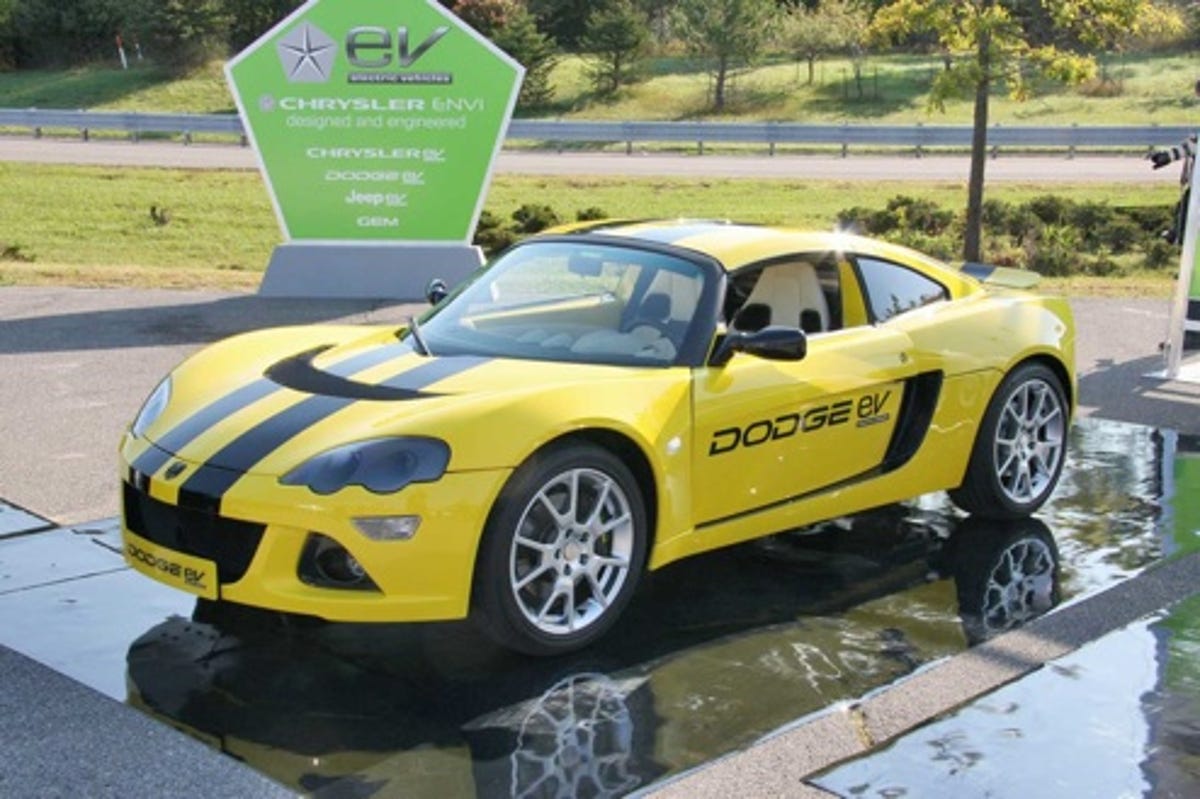
Since yesterday's unveiling of Chrysler's electric vehicle concepts, there have been many parallels drawn between the little electric hot-rod Dodge EV and the electric car that changed our perception of green, the Tesla Roadster. As it turns out, these cars may have more in common than you think.
Platform
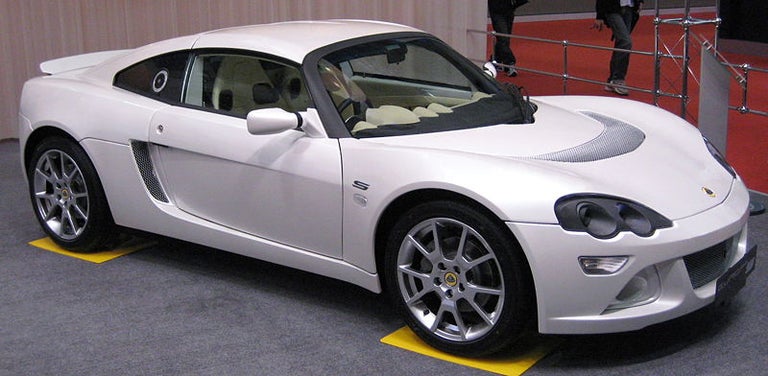
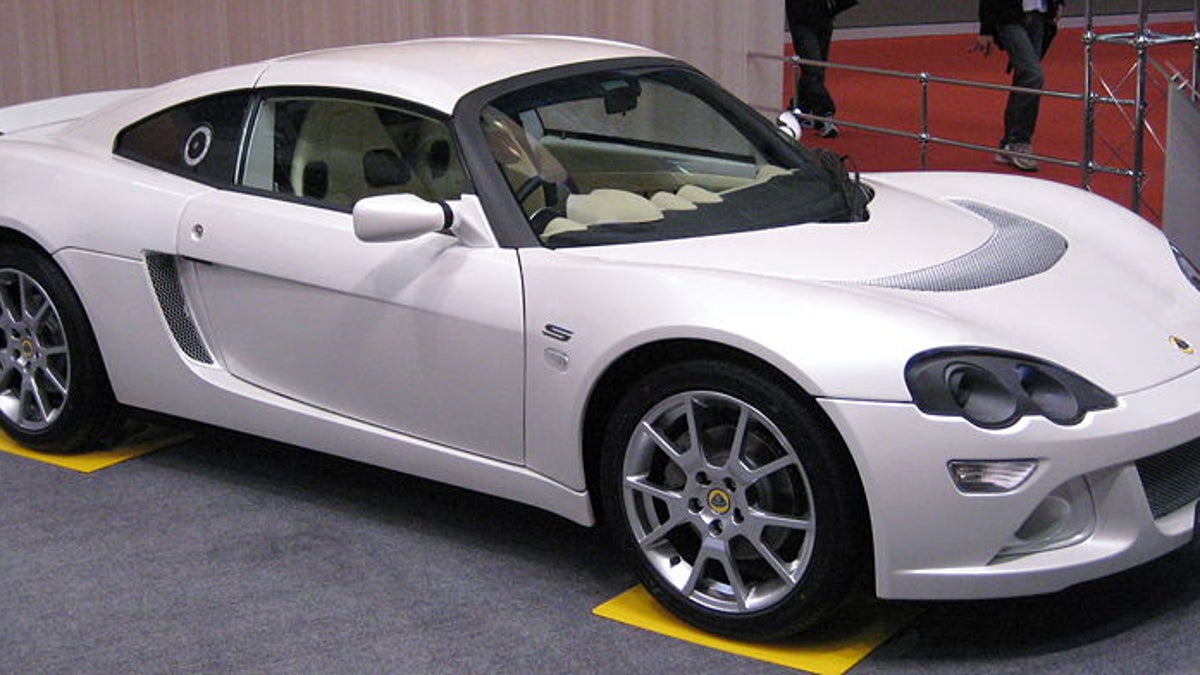
Both vehicles are based on Lotus Group platforms. The Tesla Roadster is based on the Lotus Elise platform, but is supposedly an all-new chassis, having had its exterior sheet metal replaced by a lightweight carbon fiber composite and a styling that is unique to the Tesla. The Dodge EV appears to simply be a rebadged Lotus Europa S, a slightly larger and lesser known Lotus grand tourer, unveiled in 2006 and not available for sale in the U.S. It seems that Lotus' tradition of lightweight vehicles with exceptional chassis translates well into the electric age.
Performance
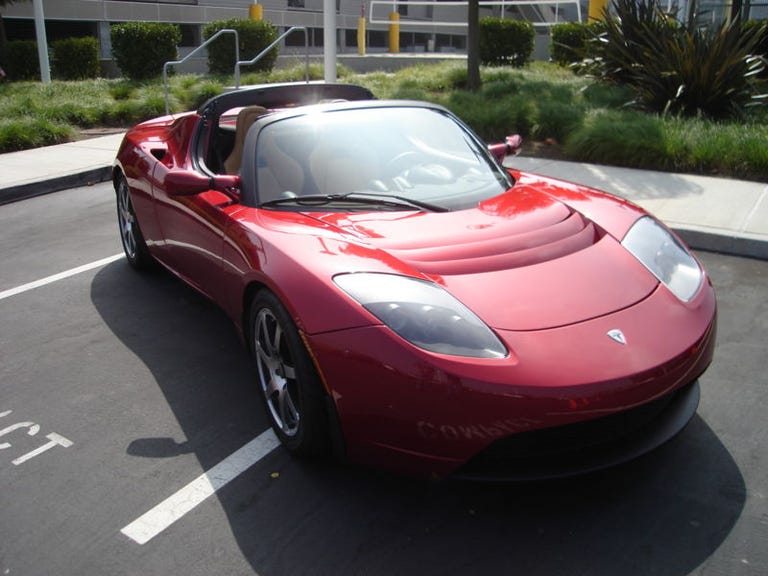
The Tesla's power flows from a lithium ion battery pack to an 184 kilowatt electric motor where electric energy is converted to 200 foot-pounds of torque (248 horsepower), which is sent through a single-speed transmission to the wheels. All of this technogiggery, combined with a lightweight carbon composite body, results in a zero-to-60 time of 3.9 seconds and an electronically limited top speed of 125 mph.
The Dodge EV also utilizes lithium ion battery tech, but upgrades to a 200 kilowatt electric motor to produce 268 horsepower and a whopping 480 foot-pounds of torque, more than double the torque of the Tesla. In spite of gobs of power, its zero-to-60 time is claimed to be about 5 seconds, with a top speed of 120 mph, which is slower than the Tesla. This is presumably due to a slightly heavier chassis of the Europa and the ludicrous amounts of wheelspin that results from putting 480 foot-pounds of torque down in a Lotus. Chrysler hasn't released any information about the transmission, which no doubt also plays a role in the 0-60 time.
Range and charging
The Tesla charges in 3.5 hours using its proprietary high-power charger and longer using 220 volt or 110 volt outlets. Keep the pedal off of the metal and the Tesla will take you and one other passenger a maximum of 220 miles between charges, which is an estimated equivalent of 256 mpg. No, that's not a typo.
Driving range on the Dodge EV is down to a claimed 150-to-200 mile range between charges, which roughly converts to a still stellar 132-to-176 mpg. The Dodge charges to full in 4 hours on a 220 volt outlet and 8 hours on 110 volts.
The future
To a visitor from space, the Tesla Roadster and the Dodge EV would be so similar on paper in features and performance, that they could be mistaken for coupe and convertible variants of the same vehicle. In the real world, their performance on public roads in the hands of regular people still remains to be seen.
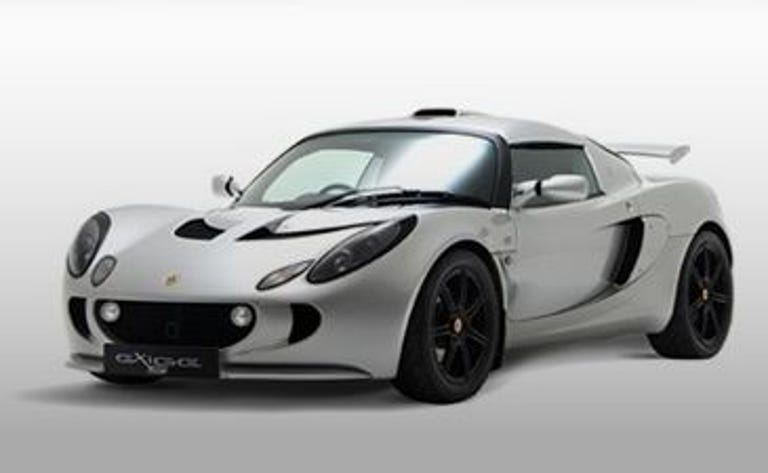
Some enthusiasts, however, have chosen not to wait for the automakers and have decided to roll their own EV hot rods. For example, there's an article and video over on Zerocarbonista that details the development of an electric car prototype based on the Lotus Exige, which has a Tesla matching sub-four second zero-to-60 time. This one-off model ups the ante by eschewing the transmission altogether, instead using separate electric motors connected to each rear wheel. Wow.